
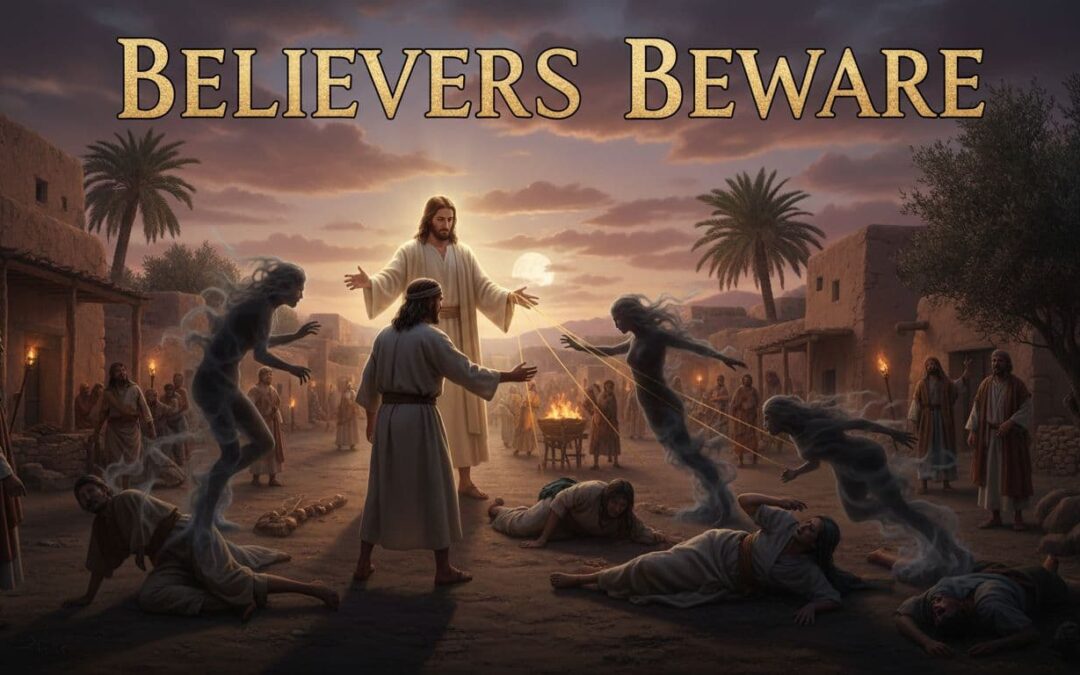

Matthew 7:22 – Why Jesus Highlighted Casting Out Demons (and Why Believers Should Tremble)
What do we do with Matthew 7:22? Jesus describes people at the final judgment who call Him “Lord,” point to real ministry fruit, and even list casting out demons, prophecy, and miracles, yet He rejects them.
That’s a hard text, not because it’s confusing, but because it’s clear. It challenges a mindset many believers drift into without noticing: “If God used me, God approves of me.”

In this post, we’re going to walk through Matthew 7:22 in its original language and Sermon on the Mount context, explain why Jesus put casting out demons front and center, connect it to Matthew 12:26-29 (Satan doesn’t cast out Satan), address the popular “they’re unbelievers because of John 6:39” argument, and unpack what “prophesied in Your name” really means. We’ll keep it sober, not fear-driven, because Jesus meant this as mercy, a warning meant to wake believers up.
Matthew 7:22 in the original language and Sermon on the Mount context
Matthew 7:22 sits near the end of the Sermon on the Mount (Matthew 5-7). Jesus has already pressed on heart-level righteousness, not just outward religion. Then He closes with a series of warnings and contrasts:
- The narrow gate vs the wide road (Matthew 7:13-14)
- False prophets and fruit (Matthew 7:15-20)
- “Lord, Lord” and the will of the Father (Matthew 7:21-23)
- Wise and foolish builders (Matthew 7:24-27)
That placement matters. This isn’t a random verse about “those people out there.” It’s aimed at people who listened to Jesus, claimed His authority, and built a whole life around religious identity. In other words, it lands right on the doorstep of believers.
Jesus says, “Many will say to Me on that day…” (Matthew 7:22). “On that day” is judgment language, the final accounting. It’s not about a bad week. It’s not about a temporary stumble. It’s a courtroom moment.
Now the key phrases, in plain terms (you can explore the Greek and classic commentaries at Bible Hub’s Matthew 7:22 commentaries):
- “Many” (Greek polloi): this problem isn’t rare.
- “Lord, Lord”: a strong confession, not casual religion. Repeating a name in that culture carried weight. It signals urgency and intimacy, not distance.
- “In Your name” (Greek en tō onomati sou): “by Your authority,” “under Your banner,” “as Your representative.”
- “We prophesied” (Greek eprophēteusamen): not just predicting the future. It includes speaking a message claimed to be from God.
- “We cast out demons” (Greek exebalomen daimonia): driving out evil spirits, the kind of ministry that screams “the Kingdom is here.”
- “We did many mighty works” (Greek dynameis): acts of power, miracles, supernatural works.
Their defense is not, “We believed the right facts.” It’s not even, “We tried hard.” It’s: “Look at what we did for You.” For a deep dive into Matthew 7:22, check out our article here:
What “in Your name” means, and why their resume sounds convincing
When someone says “in Your name,” they’re appealing to Jesus’ authority and reputation. It’s like saying, “We had your badge, your backing, your permission.” For modern believers, it’s the ministry version of “I represented your brand, I built your platform, I used your language.”
In Matthew 7:15-20, Jesus has already warned about false prophets and fruit. The point is not that gifts are fake, but that fruit is the test. You can have a public gift and still have private rot.
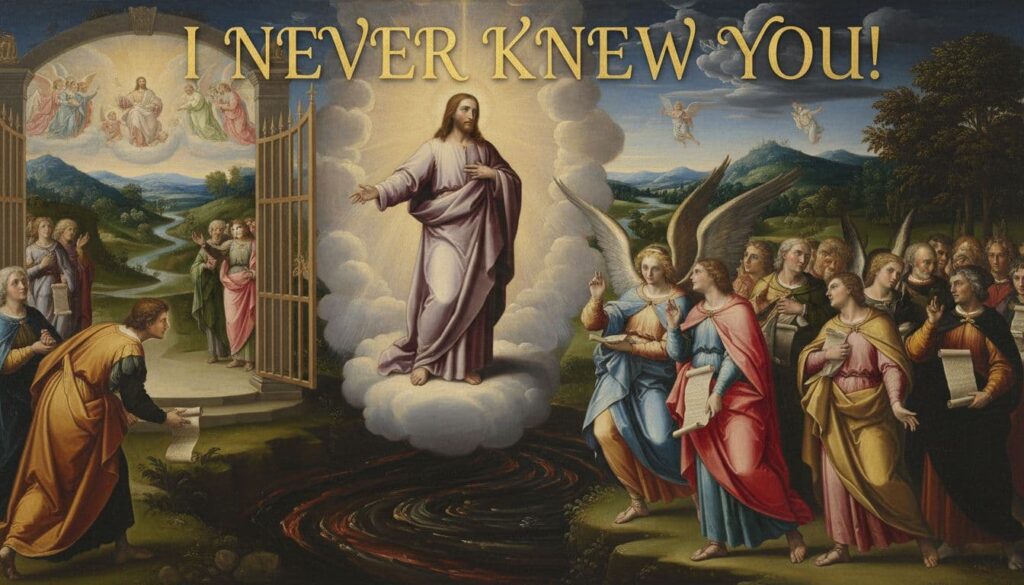
Then comes Matthew 7:23, Jesus’ verdict: “I never knew you; depart from Me, you who practice lawlessness.”
Two pieces matter:
- “Knew” in the Bible is relational. Not “I never heard of you,” but “we never had real covenant intimacy.”
- “Lawlessness” (Greek anomia) is not “you made mistakes.” It’s a pattern of living outside God’s will, while still using God-talk.
This is where believers need to slow down. Jesus isn’t impressed by religious activity. He’s looking for obedient lives rooted in real relationship.
If we want a solid companion read that stays close to Matthew 7:21-23, this Matthew 7:22-23 study page collects helpful notes and cross-references.
Why Jesus specifically mentions casting out demons, and why that detail matters
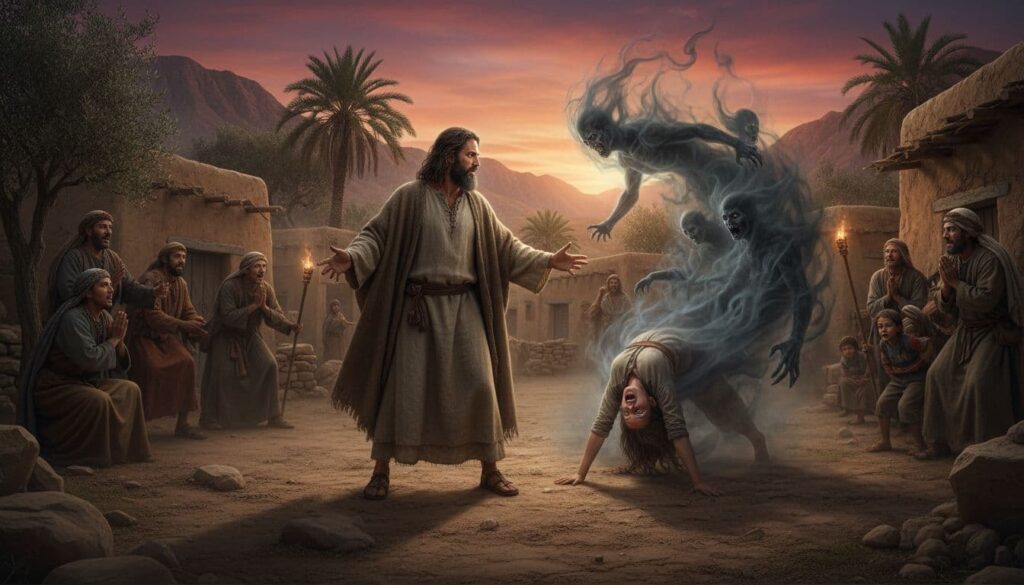
Jesus lists three claims: prophecy, casting out demons, and many mighty works. It’s striking that casting out demons sits in the middle, and in many readers’ minds it’s the most dramatic.
Why mention that one at all?
Because casting out demons was one of the clearest public signs of spiritual authority in the Gospels. It was direct conflict with Satan’s kingdom. It wasn’t a quiet “good deed” that could be explained away. If a demon is forced out, something bigger than that demon just showed up.
In Acts 19, we meet the Sons of Sceva, seven brothers who came from a respected line, their dad is named as a Jewish “chief priest,” so on paper they looked legit, like they had the right family name, the right religious résumé, and the right connections (at least in their world). But that “long line” didn’t give them spiritual authority, because spiritual authority doesn’t pass down like a last name, and it can’t be borrowed like a spell-book, it’s tied to Christ and to believers who actually belong to Him.
The Sons of Sceva watched Paul cast out demons, then tried to copy the words, “I adjure you by Jesus whom Paul proclaims,” which tells us everything, they didn’t know Jesus as believers, they only knew about Jesus as a powerful name that seemed to “work” (that’s the whole problem). The demon’s response is brutal and honest, “Jesus I know, and Paul I recognize, but who are you?” and then the demon possessed man overpowered them, leaving them wounded and humiliated, because spiritual enemies don’t play along with fake authority.
When we read explanations like BibleHub’s discussion of why the sons of Sceva failed, we see the core issue, they treated Jesus’s name like an incantation in a city already hooked on magic and formulas, not like the living Lord believers worship and obey. This is why we keep repeating “believers” here, because believers aren’t trying to force power out of a phrase, believers are acting under the authority of Jesus, in relationship with Jesus, submitted to Jesus.
The Sons of Sceva weren’t believers, and their attempt wasn’t faith, it was mimicry, a public try at spiritual power without repentance, without allegiance, and without the Holy Spirit. That’s also why this history reads like a warning label for believers, as Olive Tree’s “Christian magic” reflection points out, we can’t turn Christian language into a technique and expect demons to obey.
Only believers can cast out demons because only believers are united to Christ, and demons recognize that union, so the issue isn’t volume, confidence, or a famous family line, it’s whether we’re believers who actually know Jesus and are known by Him.
So Jesus picks a ministry claim that would feel like a slam dunk. It’s as if He’s saying, “Even if you tell Me you did the most intense kind of Kingdom work, that still doesn’t settle the question of whether you obeyed My Father.”
That hits believers today, because some of us treat “God used me” as proof we’re safe. But the Sermon on the Mount doesn’t let us hide behind a resume. For a deeper dive into this subject, check out our article here:
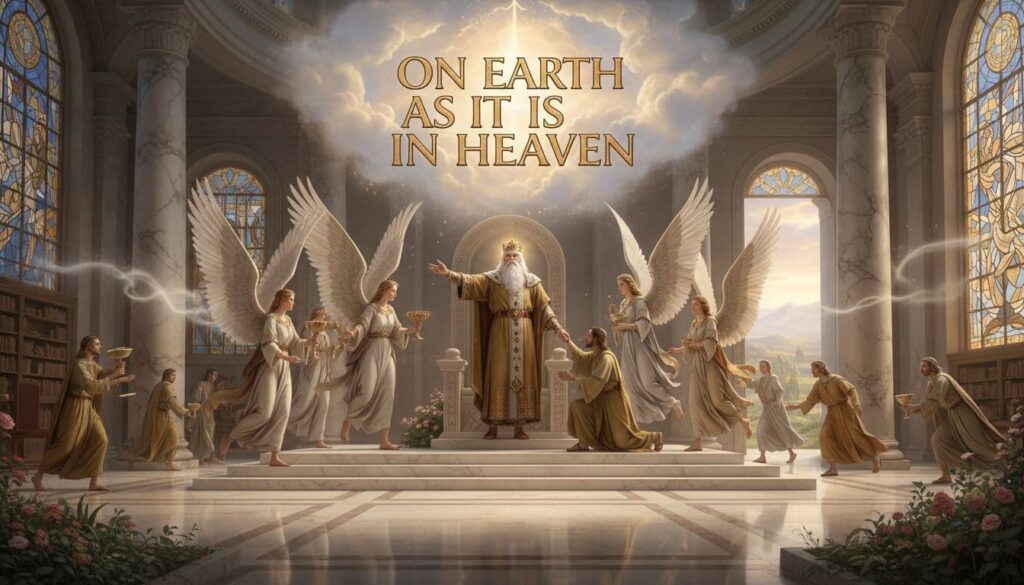
If you want a broader look at how Matthew 7:21-23 connects to entering God’s Kingdom, this page on entering the Kingdom of Heaven lays out the tension between calling Jesus “Lord” and doing the Father’s will.
Matthew 12:26-29, Satan does not cast out Satan, and the “strong man” picture
Matthew 12 gives us an important guardrail. Jesus had just cast out a demon, and the Pharisees accused Him of doing it by Satan’s power. Jesus replies (Matthew 12:26-29):
- A kingdom divided can’t stand.
- If Satan casts out Satan, he’s divided against himself.
- Jesus casts out demons because He is stronger.
- He “binds the strong man” and plunders his house.
This means something simple but heavy: Satan doesn’t cast out Satan.
Now connect it back to Matthew 7:22. If the people in Matthew 7 truly cast out demons “in Jesus’ name,” then they were involved with real Kingdom power in some way. We can’t wave it off as “obvious fraud” just because it makes us uncomfortable.
Here’s the tension we have to face: real Kingdom power can show up around a person’s ministry, while that person still lives in lawlessness. That’s not because Jesus is weak, but because God can work through imperfect vessels, and people can ride close to holy things without surrendering their lives.
This is why casting out demons is such a piercing example. It removes the easy escape route: “Well, they probably didn’t do anything real.” Jesus’ warning is sharper than that.
Are they believers in Matthew 7:21-23, or just unbelievers pretending?
Many people read Matthew 7:21-23 and say, “Those are unbelievers, period.” We get why that’s appealing. It protects our sense of security.
But the text itself pushes us toward a scarier category: people who look like believers, talk like believers, minister like believers, and expect to be welcomed like believers.
Notice what they have going for them:
- They call Jesus “Lord.”
- They say their ministry was “in Your name.”
- They report works that match Kingdom activity.
- They seem shocked at rejection, which means they expected acceptance.
Jesus is warning people inside the religious community, not outsiders who openly rejected Him. These are the kind of people we might follow online, invite to preach, or point to as “proof God is moving.”
But someone will say, “Jesus replies, ‘I never knew you,’ so they were never believers.” We need to be careful here. “Never knew” doesn’t automatically answer every theology question we bring to the text. In Matthew’s storyline, it functions as a relational verdict: “You didn’t belong to Me in the way you claimed, even while doing ministry near My name.”
So what are they? They are best understood as professing believers who were active in Kingdom work, yet were self-deceived and disobedient.
Why John 6:39 does not prove Matthew 7:22 is about random unbelievers
John 6:39 is precious: Jesus says He will lose none of all the Father has given Him. It’s a promise about Jesus’ faithfulness and the Father’s saving purpose. We wrote an article explaining this in great detail here:
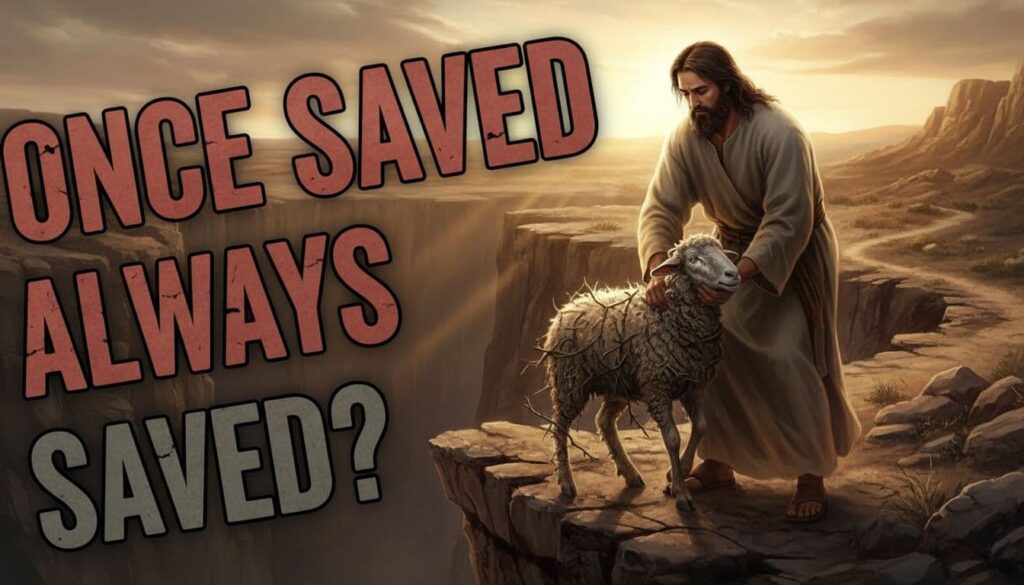
Some people use that promise like a shortcut: “If Jesus loses none, then Matthew 7:22 must be talking about total outsiders pretending to be Christians.”
But that logic doesn’t hold.
John 6:39 tells us Jesus won’t fail to keep His own. Matthew 7:21-23 warns that some people think they are His, because they have the right confession and spiritual activity, but they don’t actually do the Father’s will.
So the passages answer different questions:
- John 6:39: “Will Jesus keep those the Father gives Him?” Yes.
- Matthew 7:21-23: “Can people attach themselves to Jesus’ name and still live in lawlessness?” Yes.
If we use John 6:39 to silence Matthew 7, we’re not honoring Scripture, we’re dodging it. Jesus didn’t give this warning to scare atheists. He gave it so believers would test what we’re trusting.
“We prophesied in Your name”: what they did, what they got wrong, and why they did not make it
When they say, “We prophesied in Your name,” they mean they spoke as if God authorized their message. That can include prophetic speech, preaching, Spirit-language, and bold claims like “The Lord told me…”
Then they add: “We cast out demons in Your name… we did many mighty works in Your name…”
The repeated phrase “in Your name” is their whole argument. It’s their proof. It’s also their blind spot.
Jesus answers with two blunt realities:
- Relationship: “I never knew you.”
- Pattern: “You practice lawlessness.”
So they worked for Jesus on earth (in the sense that their labor was connected to His mission and name). They helped people. They fought darkness. They moved in gifts that look like the Kingdom of God. They were in the neighborhood of the Kingdom.
But they didn’t make it in the end. Why?
Because gifts are not the same as obedience. Power is not the same as surrender. Ministry outcomes are not the same as repentance.
We can think of it like this: a person can wear a uniform and do tasks, while refusing the heart of the Commander. Believers can do “Kingdom-looking” actions and still keep a private life that says, “My will be done.”
Here’s a simple self-check we can do without turning it into paranoia:
- Gifts vs fruit: Are we growing in love, honesty, purity, humility?
- Platform vs obedience: Do we obey when nobody sees?
- Public power vs private holiness: Are we fighting secret sin or feeding it?
- Ministry results vs repentance: Do we repent fast, or defend ourselves?
If we want to read Matthew 7:22-23 in multiple translations to hear its force, this Matthew 7:22-29 comparison page is useful.
Are these believers “lukewarm,” or something worse than lukewarm?
“Lukewarm” (from Revelation 3) usually means comfortable, half-hearted, trying to keep faith without cost. Many believers picture lukewarm as inactive.
Matthew 7 is different. These people aren’t lazy. They’re active, vocal, and bold.
That’s why calling them lukewarm can miss the point. The core issue isn’t low energy, it’s lawlessness with a ministry mask. It’s a double-life that uses spiritual activity as a cover and a confidence boost.
So are they believers? They sure look like believers, and that’s the danger. They may even be the kind of believers we’d trust based on outward success. Jesus is warning us that we can love power more than Jesus, love being seen more than being clean, and love the gifts more than the Giver.
And we can’t escape the logic of Matthew 12: Satan does not cast out Satan. So if casting out demons happened, the problem wasn’t “it was all satanic.” The problem was that ministry activity didn’t equal obedient discipleship.
For another perspective that focuses on the casting out demons part of Matthew 7:22-23, this article on casting out devils in Matthew 7:22-23 shows how different Christian traditions have wrestled with the warning.
Conclusion: what are we trusting, Jesus or our resume?
Matthew 7:22 lands hard because it targets a trap believers still fall into: we confuse “God used us” with “God approves of us.” In context, Jesus warns that “Lord, Lord” plus public ministry, even casting out demons, does not replace doing the Father’s will. Matthew 12:26-29 keeps us honest, Satan doesn’t cast out Satan, which means the works in Matthew 7 can look very real, yet still end in rejection because of lawlessness and a lack of true relationship.
In Matthew 7:23, “lawlessness” (often tied to the Greek anomia) isn’t about living in a society with no police, it’s about living with no real submission to God’s will, even while using God-talk and doing “religious” things. Jesus is addressing people who can point to big, public works (prophecy, exorcisms, miracles), yet their lives are marked by a settled pattern of ignoring God’s commands, treating obedience like an optional add-on instead of the normal shape of discipleship.
In other words, their ministries looked impressive, but their hearts and habits didn’t line up with the King they claimed to represent, which is why Jesus can say, “I never knew you,” not “I used to know you.” That fits the broader Biblical idea that sin isn’t just “messing up,” it’s a posture of rejecting God’s rule, which helps explain why some writers summarize it bluntly as “sin is lawlessness.”
If we want to be precise, “lawlessness” here points to ongoing practice, not a one-time failure, and it presses us to ask whether our “Lord, Lord” confession is matched by a life that actually does what God says (not perfectly, but genuinely). For a closer look at how anomia is used as a concept, we can also compare word-study discussions like “Anomia: A State of Lawlessness” to see why this isn’t mainly about ignorance, it’s about refusal.
So our next steps aren’t panic, they’re honest self-exam. Let’s ask Jesus to clean what’s hidden, bring our lives under the Father’s will, and refuse to treat ministry success as proof of salvation. If we stood before Jesus today, would we point to our relationship with Him, or would we start listing our spiritual resume? Never let ministry get in the way of your relationship with God.
