
Birth Pains of the Messiah, Weather Manipulation Fears, and Revelation’s Warning About the Coming Deception
A lot of us look up lately and think, “Why does the sky feel angry?” Storms hit harder, forecasts sound scarier, and the timing can feel almost personal. So it’s not shocking that many people land on one big suspicion: weather manipulation. If someone can steer money, news, and politics, why not the clouds too?
In the Bible, Jesus gave us a different frame first. He said the world would enter birth pains, troubles that grow stronger and closer together before His return. That doesn’t mean every storm is staged. It does mean the world is moving somewhere.

So in this study, we’re going to (1) explain the original Bible words behind “birth pains,” (2) cover the major prophecies tied to that pattern across both Testaments, (3) talk about how Scripture says the earth reacts, (4) look at what real-world data can and can’t prove about storm danger, and (5) focus on the biggest end-times danger: global deception, not just the forecast.
What “birth pains” meant in the Bible, in the original language and real-life setting
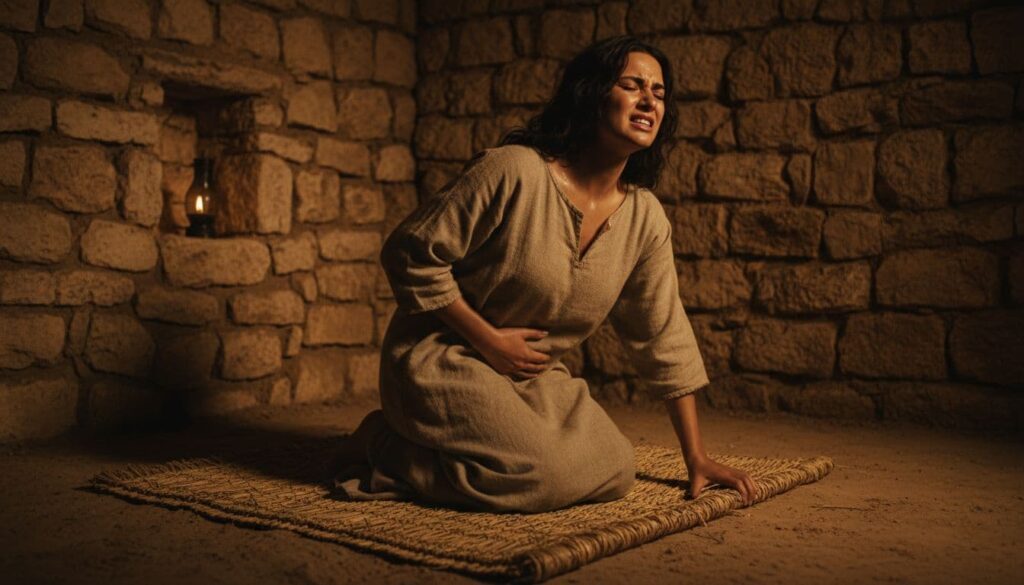
When Jesus said “birth pains,” He picked a picture everyone understood. Labor doesn’t start at full strength. Contractions begin, stop, then return. Over time they tighten, intensify, and move toward a certain end: a birth.
That’s the point. Birth pains are a process. They don’t prove a date, but they do prove a direction.
First-century Jewish listeners also knew the prophetic idea of “the time of trouble” before God’s Kingdom is revealed. Jesus didn’t invent the image. He used it with authority, then told His followers not to panic, because many signs were only the beginning.
For a helpful walk-through of Matthew 24’s flow, see this explanation of birth pangs and the Second Coming.
The key words behind “birth pains,” and what they do and do not promise us
In the Old Testament, one word that helps set the tone is the Hebrew ʿetsev (often tied to sorrow, toil, and pain). It shows up early in Genesis 3:16 and 3:17, where human life becomes strained. The ground fights back. Work hurts. Relationships hurt. In other words, creation itself doesn’t feel “smooth” anymore.
In the New Testament, the main word behind “birth pains” is Greek ōdin, used for labor pain and intense travail. It’s not the idea of a random headache. It’s the idea of something that must run its course.
So what do these words promise us?
- They promise pressure will rise in a fallen world.
- They promise the pressure points will expose what we really worship.
- They promise the history ends in a “birth,” not in chaos winning forever.
What don’t they promise?
They don’t promise we can attach every storm to a secret plan. They also don’t promise believers should live in constant fear. Jesus used the image for warning, endurance, and hope, not panic and date-setting.
Birth pains aren’t meant to make us frantic. They’re meant to make us awake.
Jesus’ “beginning of birth pains” list, and why it matters for how we read today’s headlines
Jesus named categories in Matthew 24:6-8 and Mark 13:7-8: wars, rumors of wars, nation against nation, famines, earthquakes, and general turmoil. Then He said a key line: these things are the beginning of birth pains.
That word “beginning” matters. A first contraction is real, but it isn’t delivery. Early signs can last a while, and they can come in waves.
Paul adds another angle in 1 Thessalonians 5:3: when people say “peace and safety,” sudden destruction can come “like labor pains.” That’s the shock factor. Labor can start in an ordinary moment.
Even Acts 2:24, while talking about Jesus’ resurrection, uses birth imagery. Death couldn’t hold Him. God “loosed” the pains of death. That’s hope language. It hints that the final “birth” includes resurrection life, not just judgment.
If we want a simple warning that matches Jesus’ tone, it’s this: we should read headlines with humility, and we should read Scripture with seriousness. Also, the moral temperature matters too. Jesus said lawlessness would rise and love would grow cold, which is unpacked well in our study Jesus’ warning about lawlessness in Matthew 24:12. You can watch its video below and also subscribe to our YouTube Channel.

Messiah’s birth pains prophecies, from the prophets to Revelation
We can’t list every related verse without turning this into a book, which we might do later, so we’re going to do something honest and useful: gather the major prophecy themes Scripture repeats when it describes end-time “labor.”
Across both Testaments, the pattern looks like this:
- Distress increases (like tightening contractions).
- The earth shakes and societies destabilize.
- People look for a savior, and many accept a counterfeit.
- God intervenes, rescues, and establishes His Kingdom openly.

That same shape shows up in the prophets, in Jesus’ teaching, and in Revelation’s seals. The Bible’s point isn’t to feed our curiosity. It’s to call us to repentance, endurance, and clear-eyed worship.
Old Testament “labor” prophecies: distress that builds until God acts
The prophets used labor pain language for judgment and terror, because it’s a pain you can’t “talk away.”
- Isaiah 13:8 pictures people seized with pangs and anguish, like a woman in labor, in the context of God shaking nations.
- Jeremiah 4:31 describes a daughter crying out like a woman in labor, a portrait of desperation and looming calamity.
- Hosea 13:13 uses childbirth pain as an image of stubbornness and delayed turning, with judgment pressing in.
Then there’s Zechariah 12-14, which reads like a big end-time arc: nations gather against Jerusalem, the Lord intervenes, there’s mourning, conflict, and dramatic change in the land. We should be careful here. We’re not claiming every headline equals Zechariah. Still, the themes (nations raging, Jerusalem pressure, divine intervention, land and cosmic upheaval) echo later New Testament warnings.
Even the broader “Day of the Lord” idea in the prophets often includes darkness, shaking, and fear. It’s the Bible’s way of saying: when God moves to judge evil, creation itself doesn’t stay quiet.
New Testament birth-pain prophecies: the signs Jesus named, plus the seals that follow
Jesus’ list in the Olivet Discourse lines up in a striking way with Revelation’s early sequence of judgments.
Revelation 6 opens with the seals: conquest, war, famine, and death (often summarized as the four horsemen). Then the picture widens into persecution, and finally a great shaking, with people hiding in terror.
That’s “birth pains” in apocalyptic form: pressure, scarcity, fear, and social unraveling, followed by earth and sky reactions that humble human pride.
This matters for our topic because crises don’t just damage property. They also reshape belief. Hard seasons make people desperate, and desperation makes deception easier. That’s one reason we keep circling back to discernment. The Bible’s end-times warnings aren’t mainly about weather charts. They’re about worship.

For a deeper look at how Revelation 6 introduces the Antichrist-like rise of a false savior, see Why God sends the Antichrist in Revelation 6.
How the earth is supposed to react, what we see in today’s weather, and what the Bible actually says
We need three categories if we want to stay sane.
First, there’s ordinary life in a fallen world. Romans 8 says creation “groans.” That means decay, disorder, and pain exist even without end-times timing.
Second, Scripture also talks about intensifying “shaking” as the history moves toward judgment and rescue. Jesus mentions earthquakes and upheaval. Revelation shows global-scale disturbance.
Third, there are claims of direct human control. Some people blame every storm on a program. Others mock anyone who asks questions. Neither extreme helps.
The Bible teaches God rules the weather, and it also teaches humans can lie about power they don’t have. So we should avoid two traps: (1) turning every storm into proof of a secret plot, and (2) acting like spiritual deception can’t touch us because we “know better.”
What Scripture predicts about earth and sky signs, without forcing the text
Biblically, earth reactions show up in a few repeated forms:
- Earthquakes and shaking (Jesus mentions them; Revelation shows them intensifying).
- Distress among nations, with fear rising.
- Signs in the heavens, like unusual darkness and terror (language echoed from prophets into New Testament warnings).
- Roaring seas and collapsing courage (Luke 21:25-26 paints that kind of picture).
Still, the point is never “stare at the sky all day.” The point is readiness. Jesus warned against being weighed down by fear, distraction, and spiritual sleep.
So when we see strange weather and dangerous storms today, we don’t need to force one-to-one matches. We can simply say: Scripture told us the world would shake, and it told us that shaking would pressure people toward either repentance or rebellion.
Have thunderstorms gotten more dangerous in the last 20 years, and what that means for our faith
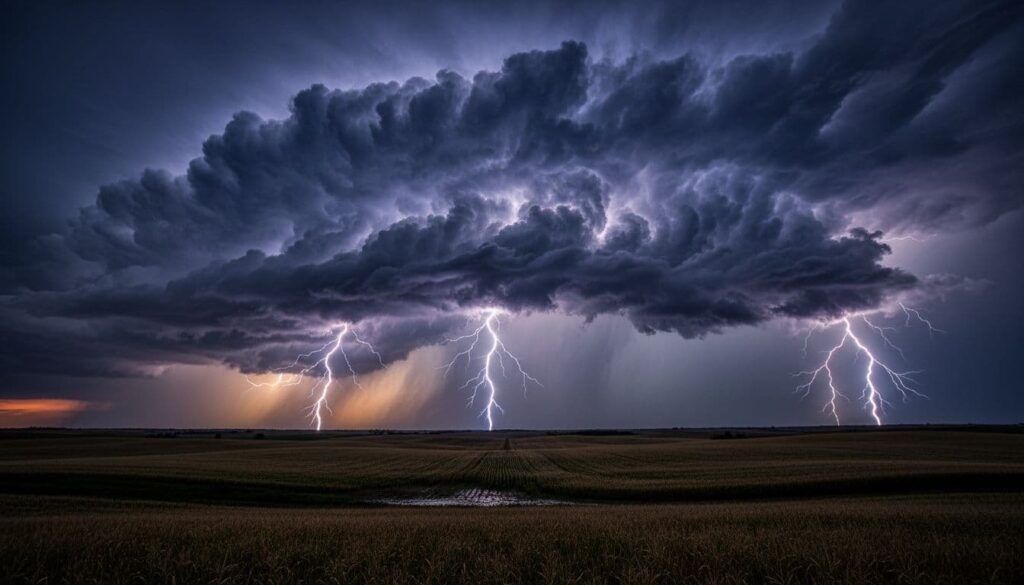
Here’s where we have to speak carefully, because our feelings are loud, but data is stubborn.
From 2006 to 2026, there isn’t a simple, steady line that proves “thunderstorms keep getting stronger every year.” Tornado counts swing year to year, and reporting methods have improved over time. NOAA’s NCEI shows how variable tornado activity can be, and it updates the official record here: U.S. tornadoes data at NOAA NCEI.
Lightning risk also doesn’t behave like a clean trendline. A newer peer-reviewed study tracks patterns and risk factors across decades, which helps us stay grounded: lightning mortality in the U.S. (1979 to 2023).
So why does it feel worse?
Because vulnerability has grown. More people live in storm-prone areas. More expensive property sits in the path. News and social media also broadcast every disaster instantly. On top of that, the overall cost and count of major U.S. weather disasters has risen, tracked here: NOAA’s billion-dollar disasters summary.
Spiritually, this doesn’t weaken Jesus’ words. It strengthens the main lesson: we shouldn’t build our end-times confidence on one storm type. Birth pains are a whole-pattern warning, and they’re also a mercy. God shakes what can be shaken so people will seek what can’t be shaken.
Why people suspect government weather control, what is real, and how end-time deception fits in
We get why “weather manipulation” claims stick. Many of us have watched officials lie about other things. We’ve watched big institutions hide mistakes. So when a strange storm hits, suspicion feels natural.
Still, we should separate what’s documented from what’s assumed. Otherwise, we can end up chasing shadows and missing the Bible’s bigger warning: the world won’t just be confused about clouds. It will be deceived about God.
What “weather manipulation” claims usually mean, and what we can confirm vs. assume
Most weather control talk lands in three buckets:
- Chemtrails: Usually contrails (ice crystals from jet exhaust) interpreted as secret spraying.
- HAARP: An ionosphere research program that conspiracy culture often treats like a weather weapon.
- Cloud seeding: A real practice meant to encourage rain or snow in limited conditions, with limited results.
What can we confirm? Cloud seeding exists, and it’s small-scale. It doesn’t steer hurricanes. It doesn’t manufacture continent-wide storm systems. Even mainstream reporting that takes the question seriously reaches the same practical limit: what cloud seeding can and can’t do.
What about HAARP? The myth never seems to die, which is why pieces like The Atlantic’s look at HAARP weather conspiracies keep showing up.
We don’t have to mock people to tell the truth. We just have to ask for evidence. If a claim requires unlimited power, total silence, and perfect coordination forever, that’s not “discernment.” That’s a story.
The Bible’s bigger warning: the whole earth deceived into false worship before Jesus returns
Scripture says the final deception won’t be minor. It’ll be global.
Paul warns that the “man of sin” will exalt himself and present himself as God (2 Thessalonians 2:3-4). Revelation 13 shows a world amazed, worshiping the beast. Then 2 Thessalonians 2:11 says God allows a “strong delusion” for those who refused the love of the truth.
That means the danger isn’t only fake science. It’s counterfeit salvation. In a world exhausted by crisis, a leader who promises stability can look divine.
This is why we keep our focus on Christ, not just theories. It also helps to understand what must happen before that deception peaks, including the falling away Paul describes. One clear overview is here: prerequisites for Antichrist revelation in 2 Thessalonians 2.
Revelation 6 vs. Revelation 19, how we tell the difference between Antichrist chaos and King Jesus’ return
Revelation 6 and Revelation 19 both involve upheaval, but they don’t “feel” the same. One is a ride into fear and control. The other is the public return of the true King.
Here’s a quick comparison to keep the contrast clear:
| Feature | Revelation 6 (seals) | Revelation 19 (Jesus returns) |
|---|---|---|
| Tone | Escalating crisis | Final victory |
| Public mood | Panic, hiding, confusion | Awe, clarity, worship |
| Main “solution” offered | Counterfeit conquest and control | The rightful King judges and reigns |
| Result | More death, more shaking | Evil defeated, war ended |
The takeaway is simple: the Antichrist rises through deception, but Jesus returns in open truth.
Revelation 6: the ride toward fear, control, and counterfeit saviors
Revelation 6 opens with momentum. A rider, who is the Antichrist, goes out conquering. Then war erupts. Then famine. Then death. After that, persecution intensifies, and finally the earth itself shakes in terrifying ways.
Notice what this environment creates: desperation. People don’t just want answers. They want relief. When fear drives the crowd, a leader who promises order can look like a messiah.
That’s why Revelation’s early judgments connect to spiritual danger. Hard times don’t automatically produce repentance. Sometimes they produce bargaining. People trade freedom for safety, truth for comfort, and worship for survival.
So if we see more fear in our culture, that matters. If we see more hunger for a “fixer,” that matters too. Birth pains aren’t only physical. They’re also spiritual pressure.
Revelation 19: Jesus returns in truth, justice, and open victory that cannot be staged
Revelation 19 doesn’t describe a hidden takeover. It describes an undeniable arrival. Jesus appears as the faithful and true Judge. He defeats the beast, who is the Antichrist, ends the war called Armageddon, and establishes real justice.
No propaganda campaign can fake this moment. No technology can project it. No government can “spin” it.
A practical test falls out of the text: if someone claims to be god but needs fear, secrecy, and constant messaging to hold power, that isn’t Jesus.
For more on how the New Testament describes Jesus’ visible coming (parousia) as unmistakable, see our study Jesus’ parousia and second coming in Matthew 24. You can also watch the video of our study below, where you will discover how many teachers use the word parousia out of context to make claims the rapture happens at the end of the Tribulation.

Conclusion
Birth pains of the Messiah are a Bible-given way to describe a world heading toward a final confrontation, then a final rescue. Scripture shows trouble increasing, the earth shaking, and people searching for a savior. It also warns that deception will be the greatest end-times danger.
So we can prepare for severe weather without worshiping fear. We can question “weather manipulation” claims without letting suspicion become our religion. Most importantly, we can cling to Jesus, because when He returns, the whole world will know it, and no counterfeit will be able to compete.