
Luke 18:6-8 Explained: Faith, the Elect, and Jesus’ Second Coming
Luke 18:1-8 is a parable about persistent prayer during a time of delay and suffering, and verses 6-8 shift the focus from an unjust judge to God's certain justice. But when Jesus asks, "When the Son of Man comes, will He really find faith on the earth?", which coming is He talking about?
The answer most likely points to His Second Coming, though the wider Biblical context must be examined before treating every end-times detail as settled fact. We'll look at the Greek wording behind "the elect," "avenge," and "faith," then compare Jesus' other sayings about the Son of Man coming to see whether He is warning of lost faith, a lack of faithful endurance, or both.
Luke 18:6-8 in Its Original Context: Prayer That Refuses to Give Up
Luke 18:1 gives us the purpose of the parable before the story even begins: believers should always pray and not lose heart. That purpose matters because Jesus is speaking to people who may face delay, injustice, and suffering before God's answer becomes visible. You can read the full passage in Luke 18:1-8.
The widow keeps returning to the judge with the same appeal. She doesn't have power, influence, or social standing on her side. What she does have is the courage to keep asking for justice. Jesus then moves from her persistence to the greater certainty of God's character. If an unjust judge eventually responds, how much more will the righteous God hear His people?
Why Jesus Uses an Unjust Judge to Teach Persistent Prayer
Jesus begins with a judge who "neither feared God nor cared what people thought." This man isn't a model of compassion. He doesn't act because he loves justice or feels sympathy for the widow. He finally gives her what she asks for because her repeated appeals have become impossible to ignore.
That detail can make the parable uncomfortable. Is Jesus comparing God to a corrupt official who has to be pressured into action? No. The comparison moves in the opposite direction. Jesus argues from the lesser example to the greater certainty. If even a selfish judge can grant justice after persistent pleading, God will certainly hear and defend His own people.
The widow's repeated appeal illustrates what faith looks like under delay. She asks, waits, asks again, and refuses to conclude that silence means God has abandoned her. Her prayer isn't an attempt to control God. It is the way she places her need before Him while trusting that His appointed justice is better than her timing.
The Old Testament gives this kind of prayer a much wider setting. Psalm 9:4 praises God because He has upheld the psalmist's right and cause. Psalm 94:1-2 calls on the Lord to rise as the God of vengeance and judge the proud. These prayers don't come from people who think injustice is harmless. They come from people who believe God sees what human courts and rulers may ignore.
Habakkuk 1:2-4 asks, "How long?" The prophet sees violence, wrongdoing, and a justice system that appears powerless. His complaint sounds familiar because faithful people still ask similar questions. Why does evil continue? Why does God seem to wait? When will He act?
The law also shows God's concern for the vulnerable. Exodus 22:22-24 warns Israel not to mistreat widows and orphans. Isaiah 1:17 commands God's people to seek justice, correct oppression, defend the fatherless, and plead the widow's case. In Luke 18, the widow belongs to this same Biblical pattern. She is not an accidental character. Her situation reminds us that God has repeatedly revealed Himself as the defender of those who are mistreated.
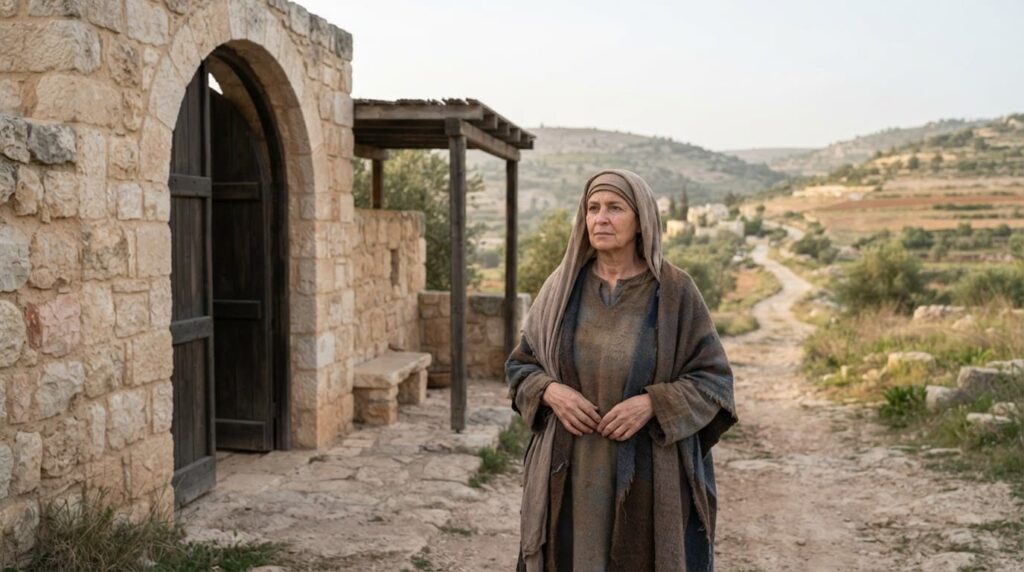
The judge is corrupt, but God is righteous. The judge is careless, but God is attentive. The judge acts for selfish reasons, but God is committed to His people. Jesus wants us to hold that contrast clearly in mind.
The widow's persistence does not make the judge righteous. It reveals how much more certain God's response is because God already is righteous.
This is why prayer doesn't force God to act. God isn't a reluctant ruler waiting for the right number of requests. Prayer expresses trust while believers wait for His answer and His appointed justice. It keeps the heart turned toward God instead of allowing delay to become an excuse for despair.
Luke 18:7 calls believers "His elect," translated from the Greek word eklektoi. The term points to people who belong to God, His chosen and treasured people. Their suffering isn't proof that God has forgotten them. Their continued prayer is a sign that they still look to Him for vindication.
The next verse asks whether the Son of Man will find pistis, or faith, on the earth when He comes. In this context, pistis is more than agreeing that God exists. It is trust that continues praying when the answer seems slow. The question is searching because delay tests faith in a way comfort often doesn't.
When Jesus says God will act "quickly," He isn't promising that every answer will arrive according to our preferred schedule. The phrase can carry the sense of acting decisively when the appointed moment arrives. God may seem slow to us, but His judgment will not be uncertain once He brings it.
What “Avenge” Means in the Greek Text
The word translated "avenge" in Luke 18:7-8 comes from the Greek justice language ekdikesis and ekdikeo. These terms can refer to avenging, but they also mean to vindicate, grant justice, defend a cause, or publicly set things right. The central idea is not personal anger. It is God's righteous judgment against wrongdoing and His public defense of those who have been wronged.
That meaning becomes clearer when Luke 18:7 is read alongside Luke 21:22, which speaks of "days of vengeance." In Luke's writing, this word family belongs to the language of God's judgment. It describes God dealing with evil according to His righteousness, not believers taking justice into their own hands.
Romans 12:19 makes the boundary plain: "Do not take revenge, my dear friends, but leave room for God's wrath." Christians are not given permission to retaliate because they have been mistreated. Personal revenge and God's justice are not the same thing. One seeks repayment through human anger. The other belongs to God's authority as Judge.
Paul makes a similar point in 2 Thessalonians 1:6-8. God is righteous, he says, and He will repay trouble to those who trouble His people. The passage connects God's judgment with the revelation of Jesus Christ, not with believers organizing their own retaliation. The timing and measure of judgment remain in God's hands.
Revelation 6:10 gives us another example. The martyrs cry out, "How long, Sovereign Lord," asking when God will judge and avenge their blood. Their prayer resembles the widow's appeal. They are not told that justice doesn't matter. They are told to wait a little longer, which shows that faithful waiting can exist alongside painful questions.
Revelation 19:2 presents the same theme of God's justice as Heaven celebrates God's judgment against Babylon. Babylon's corrupt system is judged because it oppressed and harmed God's servants. This passage describes God publicly correcting that evil, not giving ordinary believers permission to seek personal revenge.
So what does Jesus promise in Luke 18:7-8? He promises that God will not ignore the cries of His elect. Their vindication may be delayed, but it won't be denied. God hears their prayers, remembers their suffering, and will judge with complete righteousness.
That promise also explains why the parable ends with a question about faith. Will believers continue to trust God's justice when injustice appears to win? Will they keep praying when the answer takes longer than expected? The widow shows what that faith looks like. She brings the same need before the judge again and again because she refuses to surrender hope.
The passage does not teach believers to demand whatever they want. It teaches them to pray for God's will, trust His character, and wait for His judgment. Ekdikesis is God's vindication, eklektoi identifies the people who belong to Him, and pistis is the faith that keeps looking to God until the Son of Man comes.
“When the Son of Man Comes” Most Likely Points to His Second Coming
Luke 18:8 ends with a question about the Son of Man finding faith on the earth when He comes. The surrounding passages point beyond Jesus' earthly ministry and resurrection appearances. They point to a future, visible coming when He judges evil, vindicates His people, and openly establishes His authority.
The Greek wording, ho huios tou anthropou elthon, can be understood as "the Son of Man having come" or "when the Son of Man comes." That wording connects Luke 18:8 with Jesus' repeated teaching about His future return. It isn't describing the incarnation, when Jesus first came in human flesh. It also isn't limited to His private appearances to the disciples after His resurrection.
Luke 17 Connects the Son of Man With Sudden End-Time Judgment
Luke 17:22-37 is the closest teaching context for Luke 18:8. Jesus tells His disciples that "the days of the Son of Man" will come, but they will long to see one of those days and not see it. He warns them not to chase reports that the Son of Man is here or there. His coming won't be a hidden event that requires someone else to point it out.
Jesus compares those days with the time of Noah and the days of Lot. People were eating, drinking, marrying, buying, selling, planting, and building. These activities were ordinary. Nothing in the daily routine announced that judgment was about to arrive.
Then the flood came in Noah's time. Fire and sulfur fell on Sodom in the days of Lot. In both examples, judgment interrupted normal life with no time for people to rearrange their plans. The danger wasn't that eating, marrying, buying, or building was sinful by itself. The problem was that people continued life as usual while ignoring the coming judgment.
You can read the full passage in Luke 17:22-37. Jesus' warning is clear: the Son of Man will appear suddenly, and that appearance will bring a division between those who are preserved and those who face judgment.
Luke 18 follows this warning with a parable about persistent prayer. That connection matters. Jesus is not merely saying that God helps people through ordinary disappointments, although He certainly does. He is teaching His people to keep praying while they wait for the final act of justice.
Luke 17 describes the sudden arrival of judgment. Luke 18 explains how faith should respond during the delay before that arrival.
The phrase "when the Son of Man comes" should be read with this nearby context in mind. Jesus is preparing His disciples for a period when injustice may continue, believers may suffer, and God's answer may appear delayed. But the delay will end. When the Son of Man comes, His justice won't arrive slowly or uncertainly.
Luke 21, Matthew 24, and Mark 13 Use the Same End-Time Pattern
Jesus gives the same basic order in His other end-time teachings. Luke 21:25-31 describes distress among nations, fear, and cosmic signs involving the sun, moon, and stars. Then people will see "the Son of Man coming in a cloud with power and great glory." For believers, that day doesn't mean only terror. Jesus says to lift up their heads because redemption is drawing near.
Matthew 24:22-31 and Mark 13:20-27 make the sequence even more direct:
- Severe tribulation and suffering take place.
- False messiahs and false prophets threaten to deceive people.
- Cosmic signs accompany the end of the crisis.
- The Son of Man appears with power and great glory.
- Angels gather the elect from the ends of the earth.
This same pattern appears in both Matthew 24's account of the Son of Man and the parallel teaching in Mark. The passages don't describe a quiet spiritual influence or a private event known only to a few believers. They use public signs, heavenly clouds, glory, angels, a trumpet, and the gathering of God's people.
The Old Testament foundation is Daniel 7:13-14. Daniel sees "one like a son of man" coming with the clouds of heaven. This Figure receives dominion, glory, and a Kingdom, and people from every nation serve Him. His authority is everlasting, and His Kingdom will not pass away.
That background explains why the clouds matter. They aren't decorative details in Jesus' teaching. They connect His coming with the divine authority and royal rule described in Daniel. The Son of Man comes as the rightful King, not as a private teacher returning for a small group.
The language of gathering also supports a future public return. Matthew says angels gather the elect from one end of heaven to the other. Mark says they gather them from the ends of the earth to the ends of heaven. Luke emphasizes the nearness of redemption after the Son of Man appears.
Christians differ on how this return relates to the rapture, the resurrection, the Tribulation, and the timing of other end-times events. Some place these events in a particular order, while others understand the passages differently. Luke 18:8 does not answer every question about that timeline.
It does, however, strongly connect faith, persecution, God's justice, and the coming of the Son of Man. The event in view is distinct from Jesus' birth, His resurrection appearances, and the destruction of Jerusalem. Those events belong to different parts of God's redemptive work.
Jesus' incarnation was His first coming in humility. His resurrection appearances confirmed that He had conquered death. Jerusalem's destruction was a major judgment within history. Luke 18:8 points most likely to the future return when Jesus appears in glory and judges the world.
Why “Quickly” Does Not Necessarily Mean Immediately
Luke 18:7-8 says God will avenge His elect "quickly." At first, that may sound like Jesus is promising that the answer will come immediately. But the parable itself begins with a widow who must keep returning to the judge. The passage includes both delay and certainty.
The Greek phrase en tachei can describe action that happens swiftly, decisively, or without needless delay once the appointed moment arrives. It doesn't require the entire waiting period to feel short. A storm can remain beyond the horizon for hours, then arrive with sudden force. The waiting is long, but the event itself is quick.
That meaning fits Luke 17. People eat, drink, marry, buy, sell, plant, and build until judgment arrives. The decisive action is sudden. It also fits Luke 21, Matthew 24, and Mark 13, where tribulation and deception come before the visible appearing of the Son of Man in power and glory.
2 Thessalonians 1:6-10 gives the same pattern in another form. Afflicted believers receive relief when the Lord Jesus is revealed from heaven with His mighty angels. Those who trouble God's people face righteous judgment. The passage connects relief and retribution with Christ's revelation, not with an ordinary answer to a temporary hardship.
So the apparent delay in Luke 18:7 doesn't cancel the promise in verse 8. It creates the setting for the question about faith. Can believers continue praying when justice seems slow? Will they still trust God when the world appears to reward evil?
Jesus' answer is not permission to stop expecting His return. The widow's persistence teaches believers to pray during the delay. The teaching about the Son of Man teaches them to stay ready for the sudden arrival of justice.
Faith, then, has two sides in Luke 18:8. It keeps praying because God hears His elect, and it remains watchful because the Son of Man will come. God's action may seem late to us, but when the appointed moment arrives, His vindication will be swift and complete.
Who Are the “Elect” in Luke 18:7: Jews, Jewish Believers, or Christians?
The Greek word translated "elect" in Luke 18:7 is eklektoi. It means "chosen," "selected," or "picked out." But the word doesn't identify the same group in every passage. Its meaning depends on the people being discussed and the situation surrounding them.
In Luke 18, Jesus describes the elect as people who cry out to God day and night while waiting for justice. Matthew 24 and Mark 13 use the same word for God's people during the final crisis. Other New Testament passages apply it to believers in Jesus, the church, God's covenant people, or those who remain faithful to Christ under pressure.
So the question isn't whether the elect are Jews or Christians in every passage. The better question is this: How does each passage describe the people God has chosen, and how does Luke 18 connect with those descriptions?
The Elect in Matthew 24 and Mark 13 Are Preserved and Gathered
Matthew 24 and Mark 13 give us the clearest immediate comparison for Luke 18:7-8. Jesus says the elect will be present during a period of severe tribulation. Their presence matters because the passage doesn't describe them as removed from all suffering before the crisis begins.
Matthew 24:22 says the days of tribulation will be cut short "for the sake of the elect." Mark 13:20 says the same thing. If those days continued without limitation, no one would survive. God preserves His chosen people from total destruction, even while they suffer under intense pressure.
Jesus then warns that false messiahs and false prophets will appear. They will perform signs and wonders and attempt to deceive the elect. Matthew 24:24 says they will try to mislead "even the elect, if that were possible." Mark 13:22 uses nearly the same wording.
This warning assumes that the elect are present and vulnerable to deception. They aren't passive figures in the prophecy. They must hear Jesus' warning, recognize false claims, and continue trusting the truth. Their faith is tested by suffering, fear, impressive signs, and competing declarations about where the Messiah can be found.
You can read the parallel passages together in Matthew 24 and Mark 13. The surrounding setting includes the temple, Jerusalem, the Jewish disciples, the Tribulation, and the coming of the Son of Man. That Jewish and prophetic background should not be pushed aside.
After the tribulation, Jesus describes cosmic signs involving the sun, moon, and stars. Then the Son of Man appears with power and great glory. Matthew 24:31 says He sends His angels with a loud trumpet call to gather His elect from the four winds, from one end of heaven to the other. Mark 13:27 says the angels gather them from the ends of the earth to the ends of heaven.
The order is important:
- The elect are present during the tribulation.
- God limits the suffering for their sake.
- False teachers attempt to deceive them.
- Cosmic signs follow the tribulation.
- The Son of Man appears in glory.
- Angels gather the elect.
Luke 18:7-8 follows the same basic pattern. God's people suffer and cry out for justice. God hears them, even when the answer seems delayed. Then Jesus asks whether the Son of Man will find faith on the earth when He comes.
That parallel gives Luke 18 its strongest immediate context. The elect aren't simply people who have a privileged ethnic identity while remaining indifferent to God. They are the people who call on Him, wait for His justice, and need endurance during the period before Christ's public return.
Interested in a deep study of the Second Coming of Jesus? Check out our Bible Study here:

The second coming of Jesus and the rapture are presented as two separate events. The rapture catches believers up to meet Christ in the air, while His visible return comes after the tribulation, when everyone sees Him in power and glory. Matthew 24:27 focuses on Jewish believers awaiting Israel's deliverance. You can also watch its video here:

How the New Testament Uses “Elect” for God’s Chosen People
The word eklektos identifies people according to God's choosing and calling. It doesn't automatically mean every Christian in exactly the same way, and it doesn't automatically mean only ethnic Jews. The New Testament uses the word in several related settings.
Romans 8:33 asks, "Who will bring any charge against those whom God has chosen?" Paul's answer rests on God's justification. The elect are people God declares righteous, so no accusation can finally overturn His verdict. This is similar to Luke 18, where God vindicates people who are suffering and crying out to Him.
Colossians 3:12 calls believers "God's chosen people, holy and dearly loved." Their identity leads to a certain way of life. They are to show compassion, kindness, humility, gentleness, and patience. Election isn't presented as an excuse for pride. It becomes the reason believers should treat one another with mercy.
Titus 1:1 speaks of "the faith of God's elect." Paul connects his ministry with helping God's chosen people grow in faith and knowledge of the truth. This wording places the elect within the community formed by the Gospel and the apostolic message.
Peter addresses Christians as "God's elect, exiles scattered throughout the provinces" in 1 Peter 1:1-2. These believers are connected with God's foreknowledge, the sanctifying work of the Spirit, obedience to Jesus Christ, and His sacrificial blood. Their election is not separated from faith, holiness, obedience, or suffering.
1 Peter 2:9 uses the phrase "a chosen people," or more literally, "a chosen race." Peter applies language from Israel's Scriptures to those who belong to God through Christ. He describes them as a royal priesthood and a holy nation, called to declare God's praises. This passage shows a strong connection between the church and the Old Testament people of God, even while Christians continue to disagree about how that connection relates to national Israel.
Paul also says in 2 Timothy 2:10 that he endures suffering "for the sake of the elect, that they too may obtain the salvation that is in Christ Jesus." Here, the elect are people who need to receive salvation through Christ. Paul suffers so that they can hear and obtain the promise of life in Him.
Revelation 17:14 describes those with the Lamb as "called, chosen and faithful." They stand with Jesus when He defeats the beast and the kings who oppose Him. This passage brings together the same themes found in Luke 18 and Matthew 24: conflict, pressure, allegiance, judgment, and final victory.
These passages show a consistent pattern:
- God's elect belong to Him because He has chosen and called them.
- They are justified, sanctified, and brought into faith through Christ.
- They may suffer, face deception, or live as strangers in the world.
- Their identity should produce obedience and faithful conduct.
- God will defend them and bring them safely through final judgment.
The New Testament therefore uses "elect" for God's people, but the shape of that people is defined by the passage. Some texts emphasize Jewish covenant language. Others clearly address Christian congregations made up of Jewish and Gentile believers. Still others focus on those who remain loyal to Jesus during the final conflict.
The Best Contextual Conclusion About the Elect
Luke 18:7 doesn't merely mean an ethnic group that has no connection with faith in God. Jesus describes the elect as people who cry out to God day and night. Their relationship with Him is active. They pray, wait, and trust Him to bring justice.
At the same time, Luke 18 shouldn't be detached from its strong Jewish and end-time setting. Jesus is speaking within Israel's prophetic story. The imagery of the Son of Man, God's vengeance, cosmic signs, tribulation, and the gathering of the elect comes from that Biblical setting.
The best conclusion is that the elect are God's chosen people who look to Him for deliverance, especially faithful followers of Jesus living through the final crisis. This includes the Jewish background of the prophecy without limiting the word to every ethnic Jew. It also includes Gentile believers without pretending that the original setting has no connection to Israel.
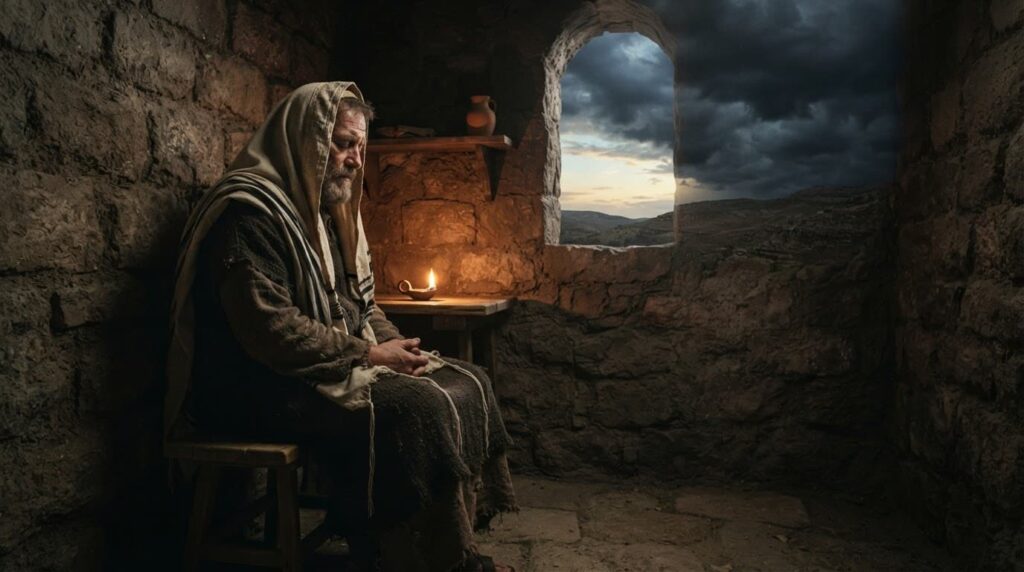
The strongest argument for seeing the elect as faithful believers in Jesus comes from the surrounding context. They are the people God protects, the people threatened by deception, the people who cry out for justice, and the people gathered to Christ when He comes. Faith is not a side issue in these passages. It is the response Jesus looks for during the delay.
Christians disagree about how Israel, the church, the Tribulation, the resurrection, and the gathering of believers fit together. Some interpret the elect mainly through Israel's future restoration. Others apply the term to the church, including Jewish and Gentile believers united in Christ. Still others see both dimensions within the larger Biblical story. Personally, I believe it is all of the above in a post-pretribulation-rapture, pre-second-coming-of-Christ, end-time-tribulation setting in Israel.
Luke 18:7-8 doesn't settle every question in that larger prophecy framework. It does tell us what the elect do. They pray when justice is delayed. They continue looking to God. They need protection from deception. They wait for the Son of Man, trusting that His coming will bring final vindication.
“Will He Really Find Faith on the Earth?” Is Jesus Predicting Apostasy?
Luke 18:8 ends the parable with a question that has troubled readers for centuries: "When the Son of Man comes, will He really find faith on the earth?" Jesus has just commanded His disciples to pray and not lose heart. Now He asks whether that kind of faith will still be present when He returns.
The question can point toward apostasy, but it shouldn't be treated as a simple prediction that every believer will abandon faith. Jesus may be warning that widespread faithlessness will exist. He may also be testing whether His people will continue trusting God while they wait for delayed justice.

The Greek wording is ara heuron ten pistin epi tes ges. The opening word, ara, introduces a pointed question that expects reflection. It presses the listener to consider an unsettling possibility. Will the Son of Man find the faith He has been describing?
The word pistis can mean faith, trust, faithfulness, or persevering loyalty. In this setting, it isn't merely a person's agreement with certain doctrines. It is the kind of trust shown by the widow, a faith that keeps praying because it still believes God hears and will act.
The Nearby Calls to Endure in Faith
Luke has already connected faith with pressure before Jesus tells the parable. In Luke 17:5, the apostles ask, "Increase our faith!" They make this request after Jesus teaches them about forgiveness, stumbling blocks, and the need to forgive repeatedly. They know that obedience will require more than good intentions.

The disciples don't ask for more information. They ask for greater faith because they understand that following Jesus will test their ability to trust Him. Their request fits the setting of Luke 18. Faith must survive repeated wrongs, delayed answers, and situations that seem larger than a person's strength.
You can read the surrounding teaching in Luke 17's account of faith and duty. The chapter moves between ordinary obedience and the future coming of the Son of Man. That combination matters. Jesus speaks about faithfulness in daily life while preparing His disciples for future distress.
Luke 22:32 gives us another important example. Jesus tells Peter, "I have prayed for you, Simon, that your faith may not fail." Peter will deny knowing Jesus, so this promise doesn't mean he will never stumble. It means his faith will not finally collapse. After Peter turns back, he will strengthen his brothers.
Peter's story helps explain Luke 18:8. The issue isn't whether faithful people will ever feel afraid, confused, or weak. The issue is whether they will return to Christ and continue trusting Him when pressure exposes their weakness.
Hebrews 11 describes this living faith through people who trusted God's promises without seeing their final fulfillment. Abel, Noah, Abraham, Moses, and others acted on what God had said. Some received deliverance, while others suffered and died without seeing the promise completed. Their faith remained real even when the answer did not arrive during their lifetime. The video below is our Bible Study about these Saints from one of our other websites TheHolySpirit.us.

James 2 adds an important correction. Claims about faith mean little when they produce no obedience or mercy. A person may say he or she believes, but James asks what that belief actually does. Faith that never acts is like a body without breath. It may have the right name, but it has no life.
Revelation 14:12 brings these themes into an end-time setting: "This calls for patient endurance on the part of the people of God who keep His commands and remain faithful to Jesus." The faithful are not described only by what they confess. They endure, obey, and remain loyal to Christ under pressure.
These passages help us distinguish three different ideas:
- Living faith trusts God and continues to obey Him.
- Empty claims speak about faith but produce no faithful action.
- Persevering faith remains loyal when suffering and delay make obedience costly.
That is the kind of faith Luke 18:8 places before us. Jesus isn't asking whether people will use religious language. He is asking whether trust in God will continue when waiting becomes difficult.
Old Testament Themes Behind Jesus’ Question
Luke 18:8 doesn't appear to be a direct quotation from one Old Testament verse. Still, Jesus' question gathers up several familiar Biblical themes. Scripture repeatedly gives God's people words for crying out, "How long?" It also promises that God will judge evil and deliver those who wait for Him.
Habakkuk 1:2-4 begins with the prophet asking how long he must call for help while God seems not to answer. Violence, injustice, and lawlessness fill the land. The prophet sees the wicked surrounding the righteous, and justice appears unable to prevail.

Psalm 13 asks the same question in a more personal form: "How long, Lord? Will you forget me forever?" The psalmist feels hidden from God, but the prayer doesn't end in surrender to despair. He continues to address the Lord and eventually says that he trusts God's unfailing love.
Psalm 74 looks at the destruction of God's sanctuary and asks why the Lord seems to hold back His hand. Psalm 94 calls on God to rise as Judge and repay the proud for their oppression. Both psalms hold grief and confidence together. God's people may complain honestly, but they still appeal to Him as the righteous Judge.
The combined passage from Luke 17 and Luke 18 carries this same movement from distress to confidence. Jesus doesn't deny that His followers will face trouble. He teaches them where to take their complaint and how to wait without losing heart.
Daniel 7 gives the clearest Old Testament background for the title "Son of Man." Daniel sees one like a son of man coming with the clouds of heaven. He receives authority, glory, and an everlasting Kingdom. The vision also includes the judgment of oppressive kingdoms that have harmed God's people.
Daniel 12 adds the theme of final distress and deliverance. God's people pass through a time of unusual trouble, but those whose names are found written in the book are delivered. The chapter also speaks of resurrection and the ultimate separation between the wise and the wicked.
These passages do not prove that Luke 18:8 is quoting one specific text. They show the prophetic pattern behind Jesus' question:
- God's people suffer under injustice.
- They ask how long the waiting will last.
- Evil appears to continue without judgment.
- God promises to judge the wicked.
- The faithful are called to endure.
- Deliverance arrives at God's appointed time.
Luke 18:8 gathers those themes into one end-time question. Will God's people still cry out to Him? Will they trust His justice when evil seems to have the upper hand? Will they remain loyal until the Son of Man comes?
The question sounds different when we hear it beside Habakkuk, the Psalms, and Daniel. It isn't a detached prediction about religious statistics. It is part of a long Biblical conversation about delayed justice, suffering, prayer, and final deliverance.
What Kind of Faith Will the Son of Man Find?
Jesus' question follows the widow's persistence, so the answer should begin there. He is asking about faith that prays and doesn't lose heart. The widow doesn't receive immediate justice, but she keeps returning with the same appeal. Her persistence shows that waiting isn't the opposite of faith. It is where faith becomes visible.
The Greek phrase ara heuron ten pistin epi tes ges can be translated, "When the Son of Man comes, will He really find faith on the earth?" The force of ara makes the question searching and expectant. Jesus places the possibility of lost faith before His disciples without explaining exactly how many will remain.
That open question allows for more than one concern. Jesus may be warning that many people will become faithless during the final crisis. He may be describing a world where false teaching, suffering, fear, and injustice make genuine faith rare. He may also be asking whether His own followers will continue trusting Him while they wait.
The verse is not a simple statement that every believer will abandon Christ. Nor does it promise that faith will remain untouched by suffering. Peter's faith was shaken, yet Jesus prayed that it would not finally fail. The concern is not temporary weakness. The concern is giving up, refusing to pray, and turning away from Christ altogether.
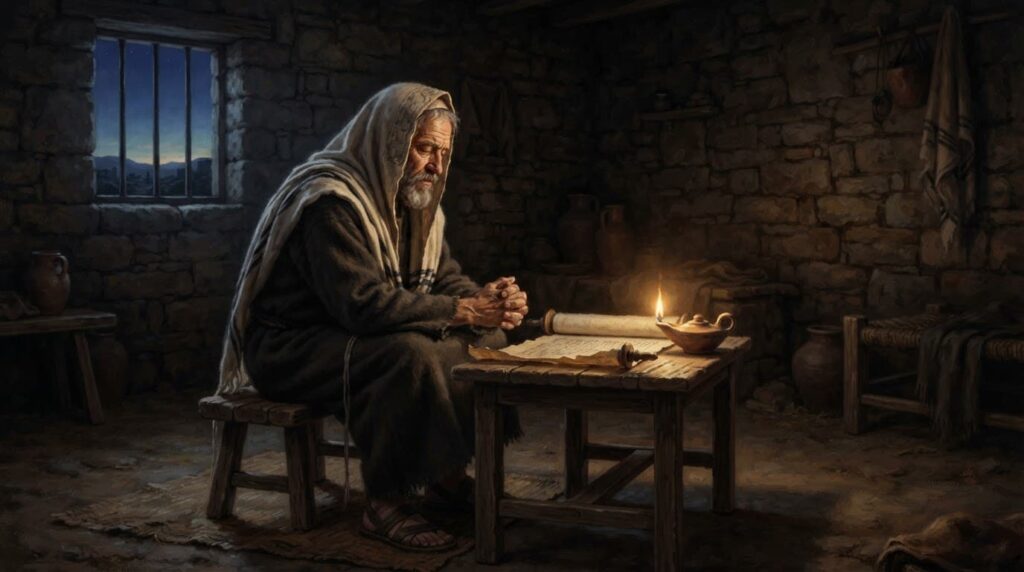
Matthew 24 and Mark 13 place this concern beside warnings about deception. False messiahs and false prophets will perform signs and try to mislead God's elect. Jesus tells His disciples to watch carefully because impressive claims and dramatic events won't prove that He has returned.

Those warnings explain why faithful endurance requires more than emotion. Believers must hold to Jesus' words, test competing claims, and refuse to exchange loyalty to Christ for temporary relief. Faith is not simply confidence that God will give us the outcome we want. It is trust in God when His timing remains hidden.
Revelation 14:12 describes the same kind of loyalty: God's people keep His commands and remain faithful to Jesus. Their faith has a direction. It moves toward obedience, patience, and continued allegiance.
So what will the Son of Man find? Luke 18 points us toward people who still pray, still obey, and still trust God's justice. Some may stumble. Some may grow weary. Some may even need restoration, as Peter did. But genuine faith keeps returning to God instead of deciding that delay means He has failed.
Jesus' question is not only about whether people will believe facts about Him. It asks whether they will remain loyal to Him when waiting becomes painful.
That is where the warning about apostasy belongs. Luke 18:8 allows us to speak seriously about falling away without claiming more than the verse says. Jesus warns that faithlessness will threaten His followers, but He also teaches them how to endure: pray continually, refuse despair, obey His words, and trust that God's justice will come.
Faith in this passage is not loud confidence or easy optimism. It is the steady decision to keep calling on God when the answer has not arrived. When the Son of Man comes, He will find the faith in His elect that continued praying through the delay.
Conclusion
Luke 18:6-8 begins with persistent prayer, but it ends with the future appearing of the Son of Man. The parallels in Luke 17 and 21, Matthew 24, Mark 13, and Daniel 7 point most naturally to His visible Second Coming, after tribulation, when He will judge evil and gather His elect. The Greek words eklektoi, ekdikesis, and pistis all fit this setting: God's chosen people cry out, God brings them justice, and Jesus asks whether He will find continuing faith when He returns.

Jesus' question isn't mainly about calculating dates or identifying every detail of the end-times timeline. It asks whether His people will keep praying, obeying, and trusting Him while justice appears delayed. The strongest answer to the question is found in the widow's example: faith keeps calling on God until the Son of Man comes and makes all things right.