
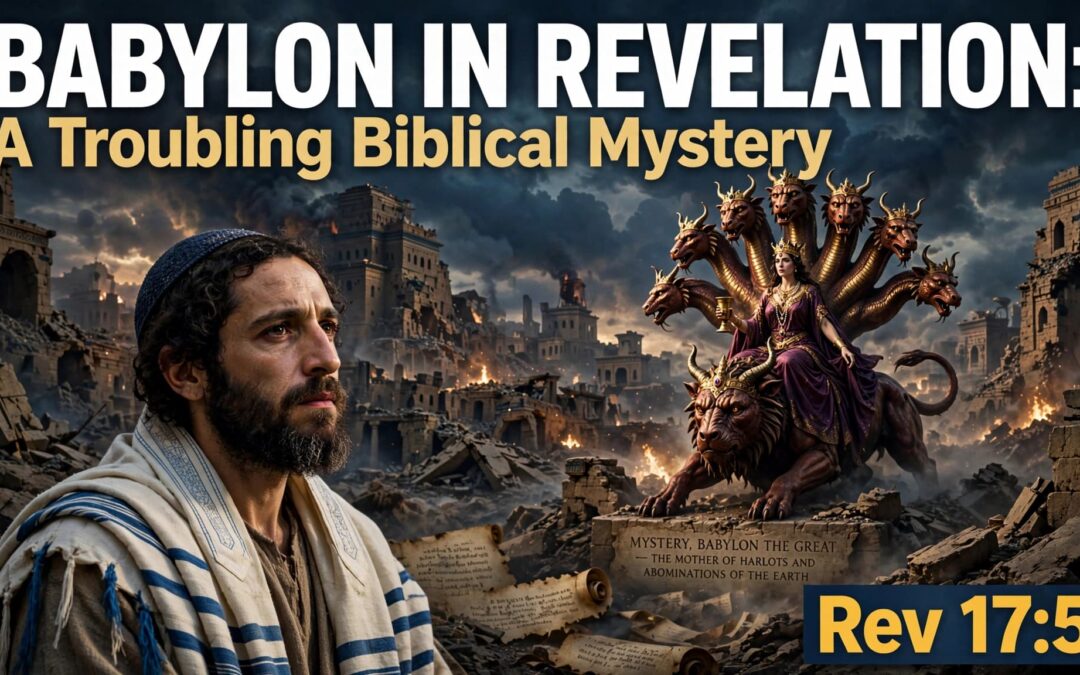

Babylon in Revelation: Ancient City or Prophetic Symbol?
Babylon was a real ancient city, but in Revelation, its name appears in a vision of corrupt power, false worship, and seduction. The city stood in what is now Iraq; the prophetic image points to a power that draws people toward wealth and influence at the cost of loyalty to God.
We'll trace Babylon through Scripture and distinguish the ancient city from Revelation's symbol. As we consider what those images may say about the world today, we should be careful not to label a present-day group as Babylon without clear Biblical support. The beast demands worship and persecutes those who remain faithful to Jesus, but Babylon's fall is not the end of the vision: Christ defeats the powers gathered against Him.
To understand what John's vision means, we first need to look at how Revelation describes Babylon in Revelation 17–19.
What does Babylon in Revelation mean?
Revelation uses Babylon as a symbolic name in its visions, especially in chapters 17 and 18. The text describes a woman, a beast, kings, nations, wealth, corruption, and persecution. Christians differ over which historical or future power the symbol identifies, so we should separate what John's vision says from later interpretations of it.
What the name Babylon means in the original languages
The Hebrew Bible uses Babel for the city later known as Babylon. In Genesis 11:9, the name is connected with the Hebrew word balal, meaning "to confuse." The passage explains the name through the confusion of languages at Babel. That is Scripture's wordplay in this passage, not a settled account of the name's historical origin.
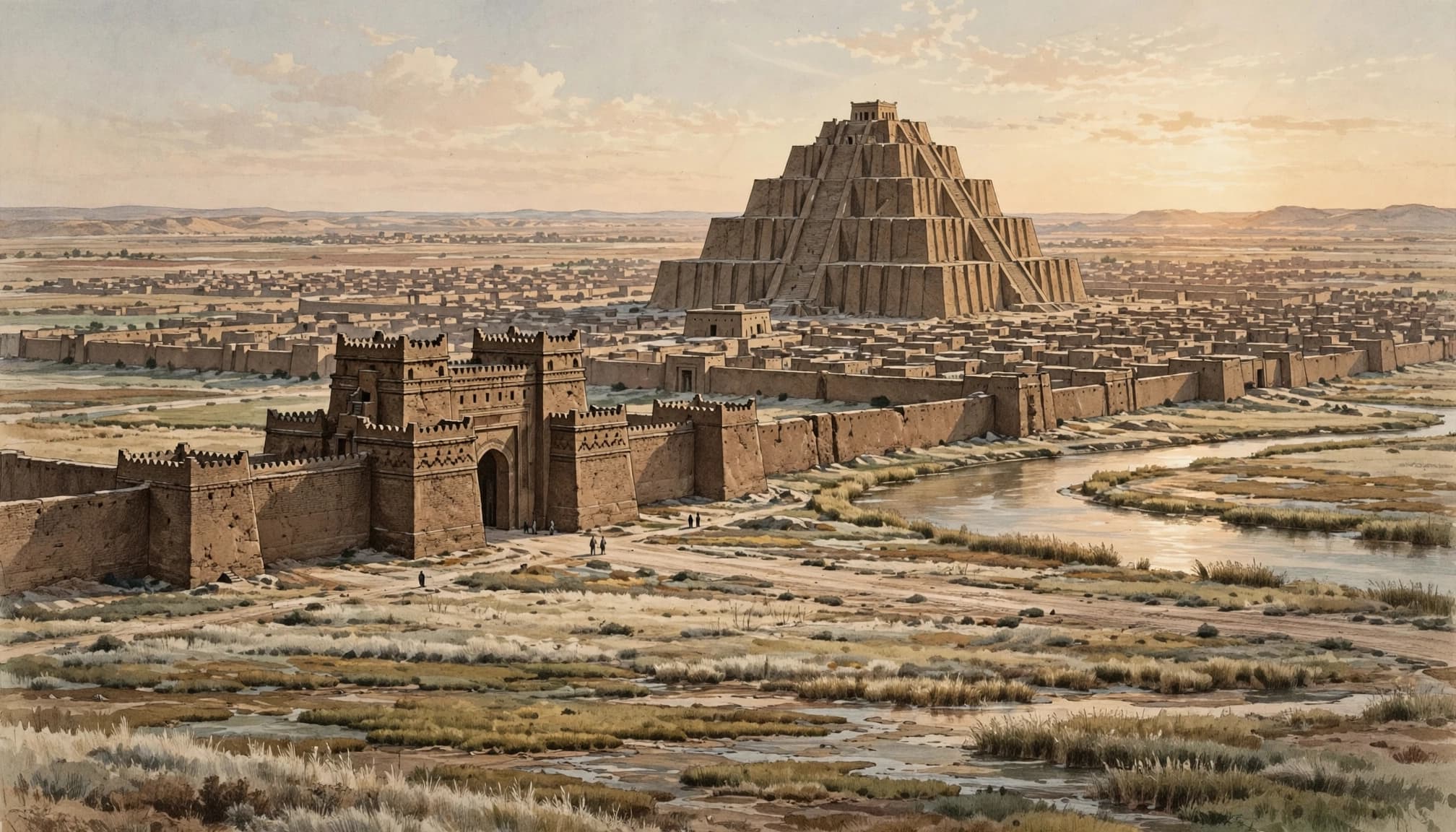
The Akkadian name is often rendered Bābili or Bāb-ilu, commonly understood as "Gate of God" or "Gate of the gods." That historical-language evidence is separate from Genesis's explanation of Babel through confusion. Revelation uses the Greek form Babylōn. In Revelation 17:5, the woman's name is "Babylon the Great." The name recalls the ancient city, but the vision's meaning comes from how Revelation portrays her.
How Revelation’s Babylon connects with the beast
In Revelation 17:1-18, John sees a woman called Babylon sitting on a scarlet beast. The images are connected, but they are not interchangeable. The beast pictures power that demands worship and persecutes those who remain faithful to Jesus. Babylon pictures corrupt influence that seduces kings and nations through wealth, luxury, and spiritual unfaithfulness. John also sees the woman drunk with the blood of God's people (Revelation 17:6).
The angel explains the beast's seven heads and ten horns as kings and political powers. The woman sits on the beast, but the vision gives each image its own role. We can read more about how Scripture uses symbolic images in prophecy, while still letting Revelation's own explanation guide us.
Chapter 18 describes Babylon's riches and trade, the kings who benefit from her, and the merchants who mourn when her wealth is gone (Revelation 18:1-24). The vision's warning is clear: Babylon draws people toward power and riches at the cost of faithfulness to God.
Some interpreters identify Babylon with imperial Rome, while others see a future power or a wider religious-political system. Christians do not all agree, and Revelation does not name a modern institution in these chapters. We should hold our interpretation to what the passage says, rather than labeling a present-day group without clear Biblical support.
Where ancient Babylon stood and what it was called
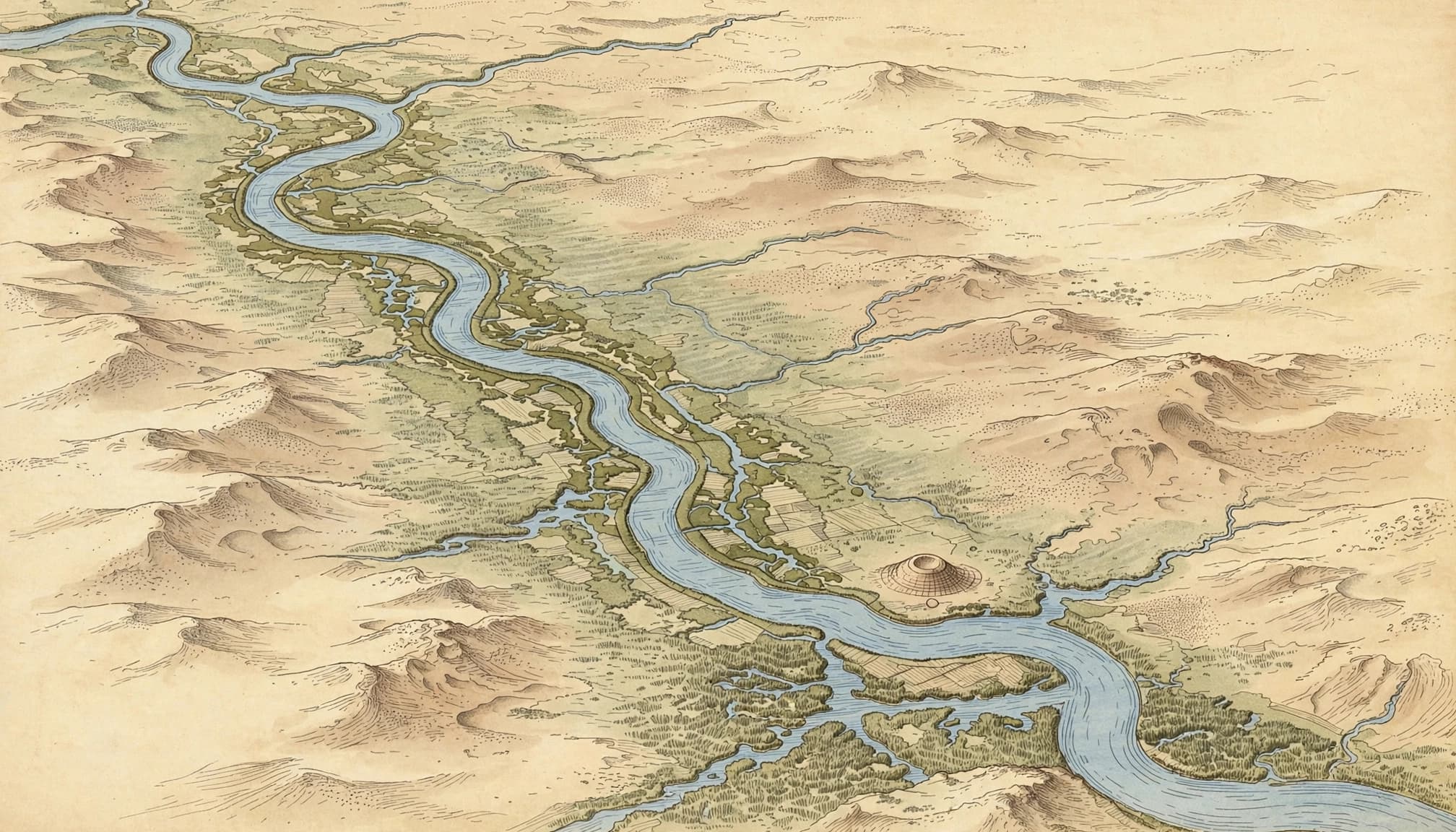
Babylon was a real city in southern Mesopotamia, near the Euphrates River in what is now Iraq. Knowing where it stood helps us keep the ancient city distinct from the symbolic Babylon in Revelation.
The city’s rise, empire, and eventual decline
The ruins of Babylon lie about 85 kilometers south of Baghdad, near the modern city of Hillah. The ancient city grew beside the Euphrates, on a river plain that connected settlements and trade routes across Mesopotamia. Its location helped Babylon become a major center of political power and commerce.
The city's name appears in different forms and languages. The Hebrew Bible uses Babel, while the Akkadian forms are commonly written Bābili or Bāb-ilu. These names belong to different linguistic and historical contexts, so we shouldn't assume they were all used in the same period. Genesis connects Babel with confusion of languages (Genesis 11:9), a Biblical wordplay rather than the historical origin of the Akkadian name.
Babylon rose to prominence under several rulers and empires. It became the capital of the Neo-Babylonian Empire under Nebuchadnezzar II, whose reign is associated with the city's greatest political influence. Babylon also held a place in the history of Judah: Scripture describes its conquest of Jerusalem and the exile of Judeans. Those Biblical accounts should be distinguished from what we can establish about the city's political history.
The Neo-Babylonian Empire fell to the Persians in 539 BCE, and Babylon's role as an imperial capital came to an end. UNESCO identifies the ruins as the remains of the ancient city and describes its period as the Neo-Babylonian capital (UNESCO's Babylon site listing). The city's historical rise and decline help explain why its name carried associations of empire, domination, and conflict with God's people.
What Babylon’s location means for readers today
Ancient Babylon is an archaeological site in modern Iraq. The people of Iraq today have varied beliefs and backgrounds, and we shouldn't equate them with Revelation's symbolic Babylon. A place-name in a prophetic vision doesn't automatically identify everyone who lives near the ancient city.
Revelation calls the woman in its vision "Babylon the Great" (Revelation 17:5). The name recalls the ancient city, but the vision uses it to speak about power and opposition to God. The ruins confirm where historical Babylon stood; they don't establish who or what Revelation's symbol identifies. Christians interpret that symbol in different ways, so we should separate the history of the site from the prophetic image. We can also consider Babylon's collapse in Revelation 18 without treating the ancient location as the answer to every question about the vision.
How Babylon appears throughout the Old Testament
Babylon's place in the Old Testament develops through several connected themes: human pride, imperial power, idolatry, captivity, and God's authority over nations. Those themes give Revelation's Babylon imagery its Biblical background, but each passage has its own setting and meaning.
Babel, pride, and a shared human project
In Genesis 11, the people settle together and build a city with a tower reaching toward Heaven. They say they want to make a name for themselves and avoid being scattered across the earth. God confuses their language, and the people spread out. The passage connects the name Babel with the confusion of languages (Genesis 11:9).
The problem in the passage is their pride and defiance of God's instruction to fill the earth, not simply the fact that they worked together. A shared project is not automatically rebellion against God. When we compare Babel with Revelation's Babylon, we should see a thematic connection, human power organized in opposition to God, rather than treat Genesis 11 as proof that every united human effort is evil.
Babylon as empire, exile, and prophetic warning
Centuries later, Babylon became an empire that conquered Judah and destroyed Jerusalem. The people were taken into exile, and the temple was destroyed. Scripture presents this as a devastating judgment on Judah, while also showing that Babylon's power remained under God's rule. Babylon could conquer Jerusalem, but it could not escape God's authority.
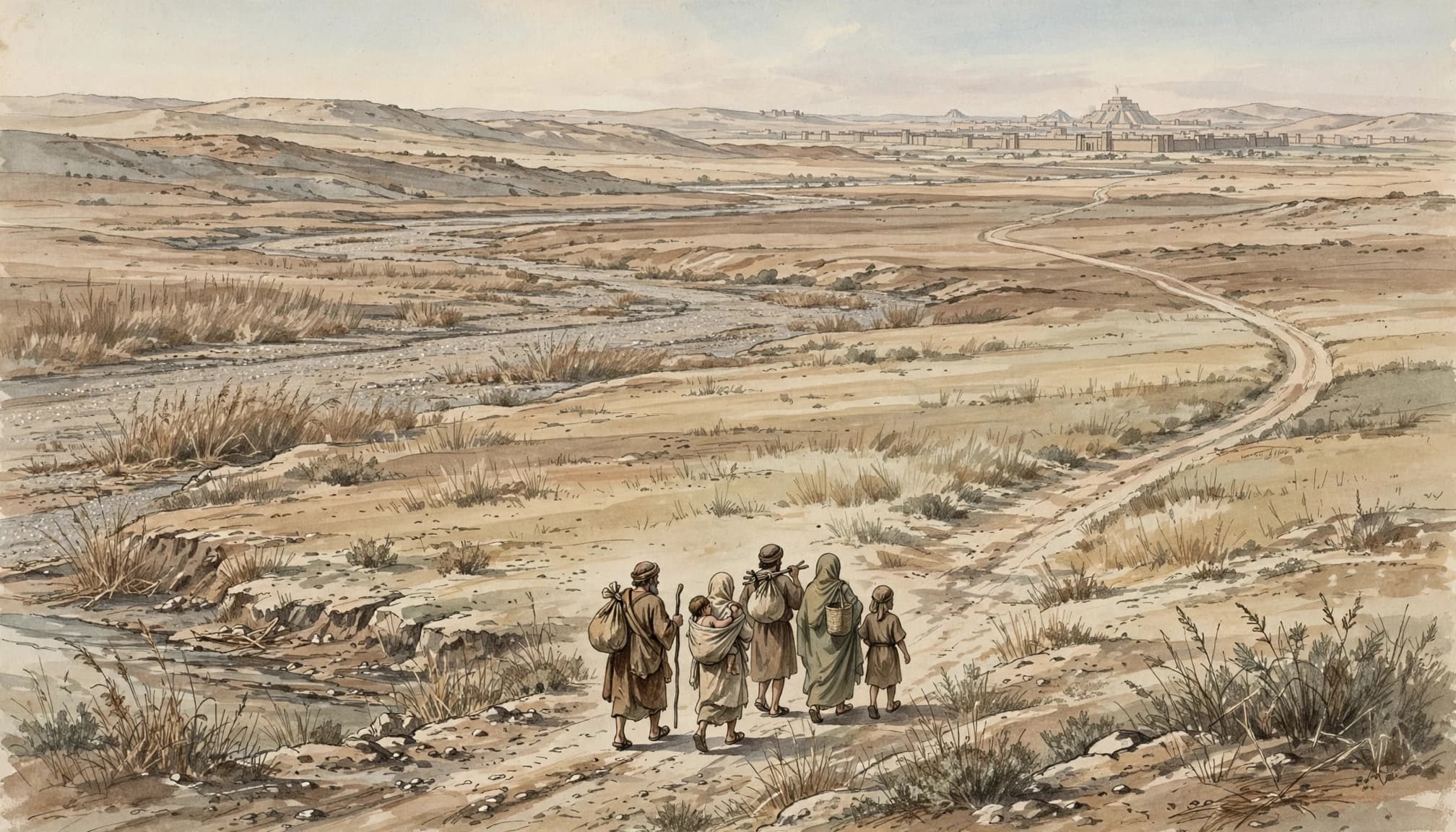
The prophets did not treat Babylon as an untouchable power. Isaiah speaks against Babylon's pride and declares that its rule will end. Jeremiah also announces judgment on the empire, while giving Judah a promise of return after exile. In Jeremiah 29, God tells the exiles to seek the good of the place where they live, and He promises to bring His people back. Judgment and hope appear together.
Daniel's history in Babylon adds another part of the picture. Kings may rule there for a time, but God judges their pride and brings their power to an end. We can also read about Daniel's prayer after Jerusalem's destruction, where he turns to Jeremiah's words about the years of desolation and asks God for mercy.
These Old Testament passages help explain why John calls the corrupt power in Revelation "Babylon." The name carries memories of Babel's pride, Babylon's empire, Judah's captivity, and the prophets' warnings that God judges oppressive powers. Revelation also echoes the hope of deliverance: Babylon falls, and God's people are called out of her. The image draws on Israel's history, but that connection does not by itself identify every detail of John's vision with the ancient city.
Why Revelation’s Babylon is more than a place
John names Babylon, but he describes her through images of a woman, a beast, kings, wealth, and persecution. The vision points beyond the ruins of the ancient city. The question is what power those images describe, and Christians answer it in different ways.
Rome and the first readers’ world
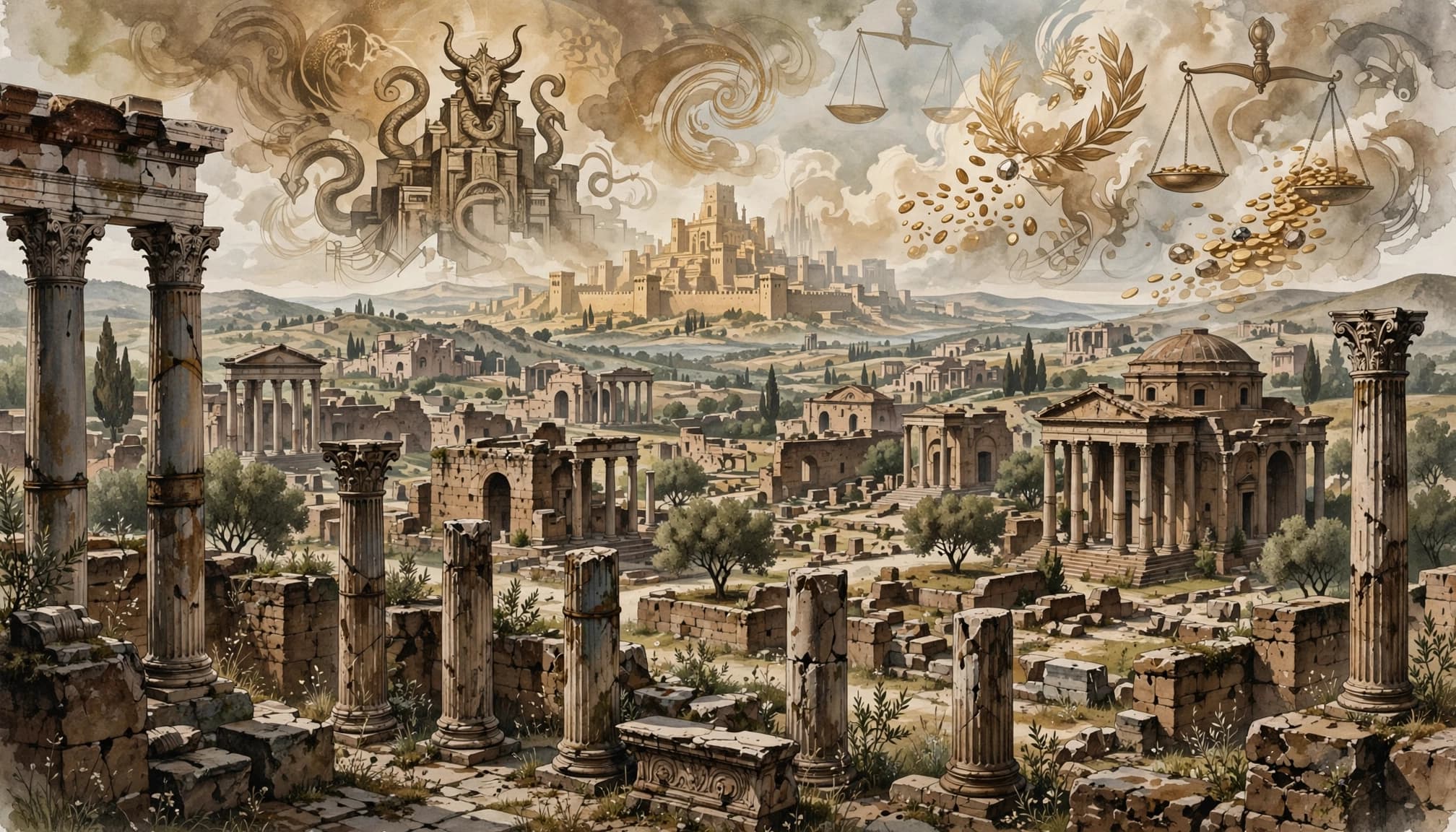
Many scholars identify Revelation's Babylon with imperial Rome. Rome ruled the known world of John's first readers, and its political authority reached across nations and kings. The name Babylon also carried an older Biblical meaning: it recalled an empire that conquered God's people and took them into exile. John could use that name to describe Rome as a new expression of oppressive power.
Revelation gives readers clues, but it never says outright, "Babylon is Rome." The angel says the woman sits on seven mountains and explains that the beast's heads are kings (Revelation 17:9-10). Many readers connect the mountains with Rome, but interpreting those details still requires judgment. In his study of the debate, Giancarlo Biguzzi discusses the historical case for identifying Babylon with Rome.
That reading helps explain why Babylon would have mattered to Christians living under Roman rule. Still, it is a widely held interpretation, not an identification Revelation states directly. We should keep that distinction clear when we discuss the vision.
A future power or a recurring pattern
Some Christians understand Babylon as a future religious-political alliance, a power that will unite political influence and false worship in opposition to God. Others see Babylon as a pattern that can appear across history: wealth and influence joined to idolatry, coercion, and persecution. These readings may overlap, but they are interpretations of the prophetic imagery, not explicit names for a specific modern institution.
From a Pentecostal viewpoint, the spiritual warning matters. Revelation calls God's people to remain faithful when power, prosperity, or false worship compete with obedience to Him. The Holy Spirit helps believers discern those pressures, but that discernment does not give us license to declare a particular church, nation, or leader Babylon without clear Biblical support.
We can consider how Christians interpret Babylon's prophetic symbolism while holding our conclusions with care. The text names Babylon and describes her opposition to God; readers differ over whether the image refers chiefly to Rome, a future power, or a recurring system. Keeping those categories separate lets us take the warning seriously without claiming more than Scripture says.
How Babylon’s unity and seduction compare with the world today
Revelation's Babylon brings political power, wealth, influence, and worship together in opposition to God. We can compare those themes with pressures people face today. We may stay neutral for many Bible Studies about Babylon and prophecy in general as we explain things little by little, but eventually, what we are saying will get more defined.
When unity serves power instead of God
In Revelation 17:1-6, Babylon is connected with kings, peoples, and the beast. The image is broader than one city or one group. It shows power drawing people toward corrupt worship and persecuting those who remain faithful to God.
Does that mean unity itself is wrong? No. People can work together for good, and a shared public order can protect people with different beliefs. The danger comes when unity demands that we compromise our loyalty to God, or when people who refuse are pressured, silenced, or harmed. Revelation warns about allegiance, not cooperation by itself.
We see the principle in ordinary choices too. Money, political power, status, and human approval can all become things we treat as ultimate. When a public consensus asks us to call disobedience good, or to hide our faith to keep our place, we need discernment. We should examine the demand by Scripture rather than quickly labeling a movement or institution as Babylon.
The question is not whether people agree on something. It is whether that agreement asks us to give worship, obedience, or moral authority to something that belongs to God.
Wealth, influence, and the call to remain faithful
Revelation 18 describes merchants and kings mourning Babylon's fall because their wealth and luxury have disappeared. The passage's warning is plain: prosperity can bind people to a corrupt order when gain matters more than faithfulness. In Revelation 18:3-4, God's people are told to come out of her, a call to refuse participation in her sins.
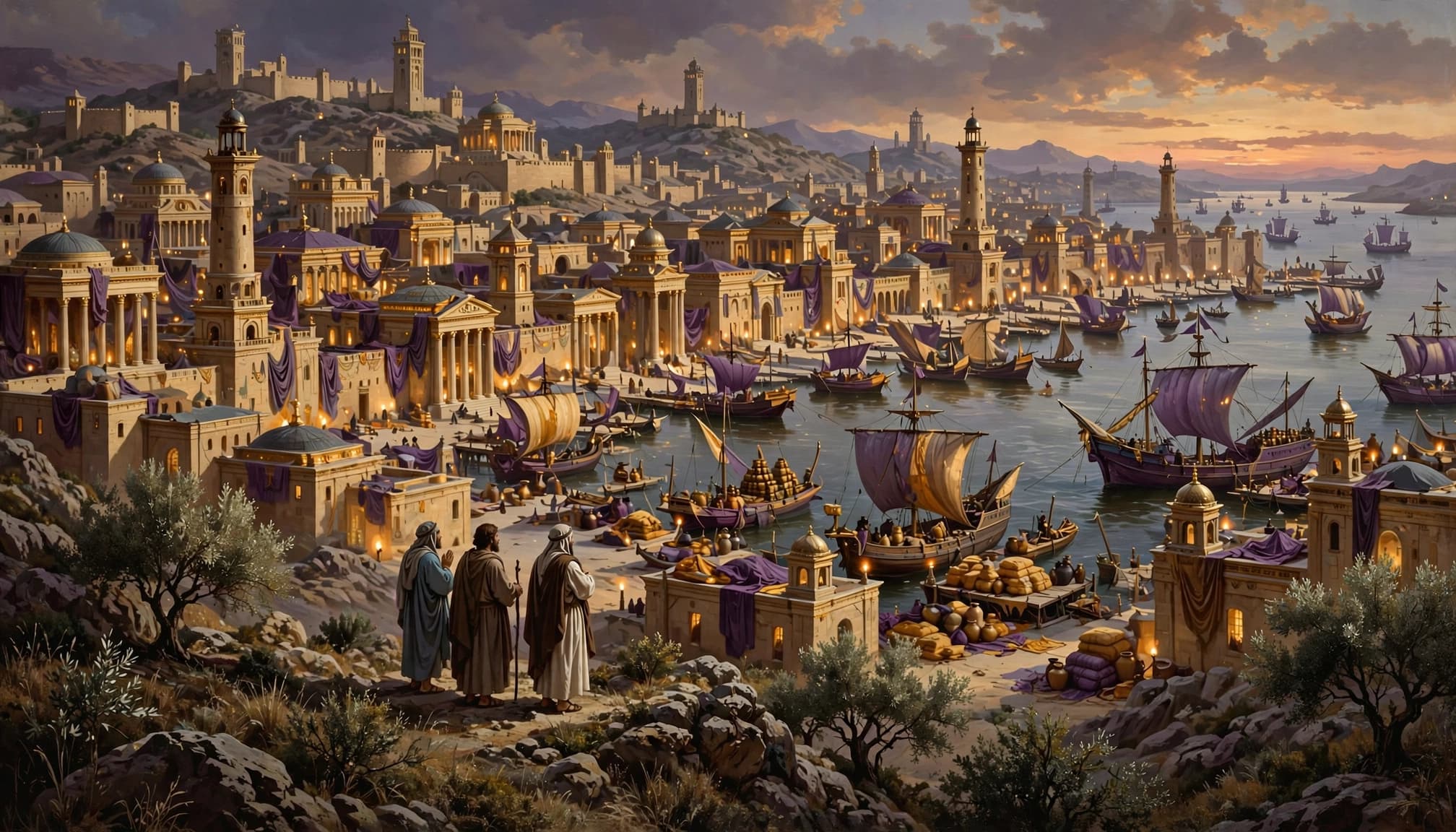
That warning reaches beyond riches. We can be tempted to trade honesty for advancement, silence for acceptance, or obedience for influence. Wealth and respect are not sins in themselves. The danger is letting them rule our choices when God calls us to act differently.
As Pentecostal believers, we depend on the Holy Spirit to give us discernment and boldness to witness for Jesus. Discernment helps us recognize pressure without becoming fearful or accusing people carelessly. The Spirit empowers us to stay faithful, speak truth, and keep our worship centered on God. We can read more about the Holy Spirit's power to witness faithfully to Jesus.
Christians interpret Revelation's Babylon in different ways. Giancarlo Biguzzi discusses the long-standing identification of Babylon with imperial Rome, while other interpretations focus on a future power or a recurring pattern. We should take Revelation's warning seriously without claiming that a specific modern group fulfills it unless Scripture gives us clear grounds to do so.
How Revelation shows the beast, Babylon, and their allies defeated
Revelation does not end with Babylon's corruption or the beast's demand for worship. It shows God judging the powers opposed to Him, and it calls His people to remain faithful while that judgment unfolds.
The call to leave Babylon’s corruption
The command to come out of Babylon is a call to refuse her sins. In Revelation 18, Babylon's wealth and influence are tied to corruption and the suffering of others. God's people are told to separate themselves from that participation, not to hate the people caught within it.
So what does faithfulness look like? We turn from false worship, greed, and obedience to power when it demands what belongs to God. We repent, keep our worship centered on Him, and care about those harmed by unjust power. Leaving Babylon's sins does not mean withdrawing from every society or treating our neighbors as enemies. God calls us to live among people without sharing in what opposes Him.
We should also be careful not to use the call as permission to condemn a modern group without clear Biblical grounds. Revelation warns us to examine our own loyalties, too. Do wealth, acceptance, or political influence ever ask us to compromise obedience to God? That is the kind of question the warning presses us to consider.
Christ’s victory over the powers opposed to God
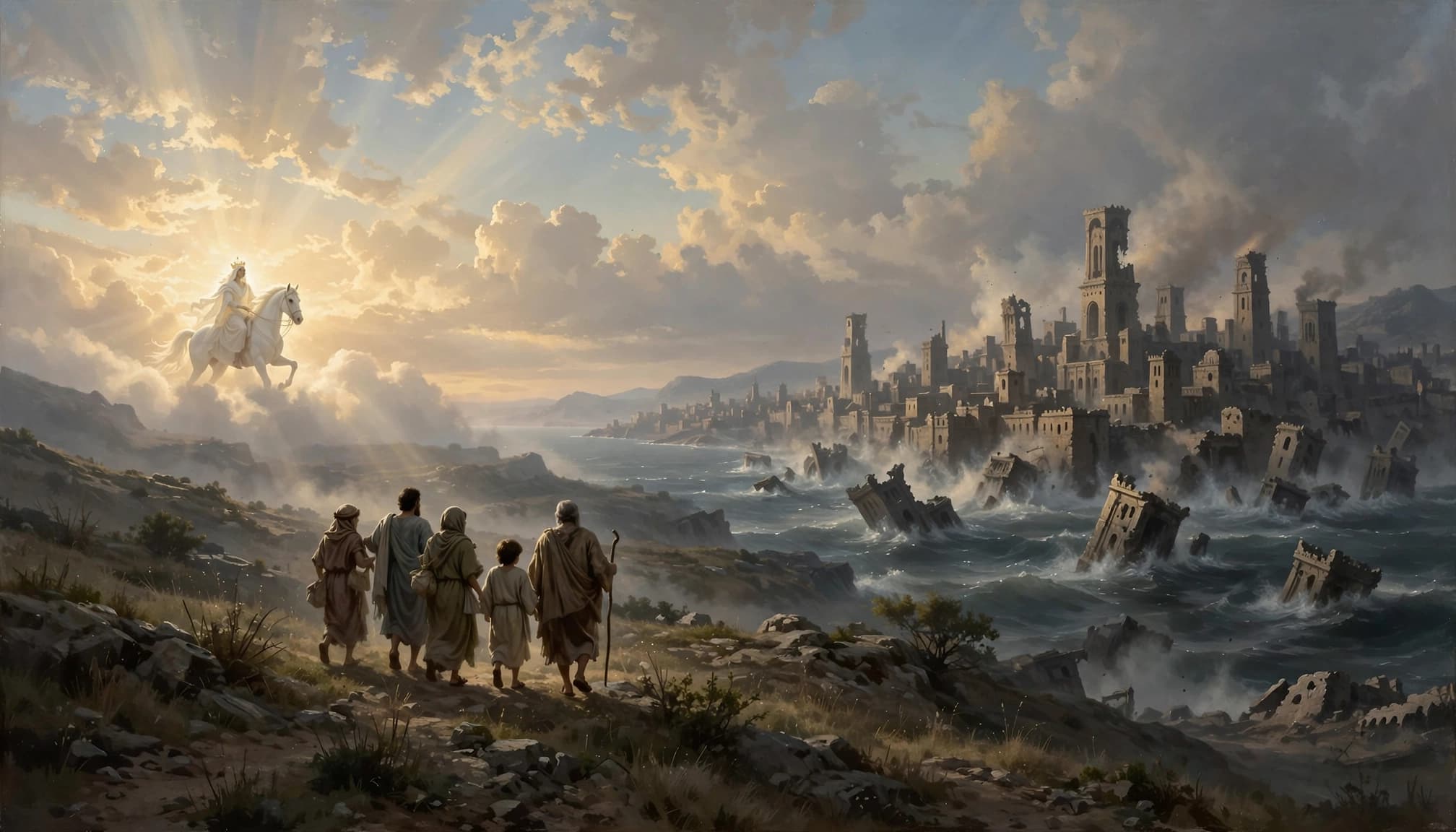
Revelation 18 shows Babylon's judgment. Then, in chapter 19, John sees heaven open and Christ appear as the victorious King. The beast, the kings allied with it, and their armies gather against Him, but their power cannot overcome Him. The vision ends with the beast and false prophet captured and judged. You can read Revelation 19:11-21, or see Christ's victory over the beast in Revelation 19.
These images follow the judgment of Babylon, but Revelation does not require us to settle every detail of how the visions relate in time. Chapter 20 continues with the judgment of Satan. We can distinguish these scenes without turning them into a precise schedule that the passage itself does not give.
The message is clear even when Christians differ over the sequence: Babylon's influence does not win in the end. The beast cannot overthrow Christ, and the powers that oppose God remain under His authority. Their rule is temporary. God remains sovereign, and Christ's victory gives us reason to remain faithful rather than fearful.
Conclusion
Ancient Babylon was a real city in what is now Iraq. Babylon in Revelation is a prophetic image, and Christians interpret its meaning in different ways. The Biblical warnings remain clear: pride, false worship, seductive wealth, and power that persecutes those who stay faithful to Jesus.
We see pressures toward shared values that put human power and influence above loyalty to God, but Revelation calls us to discernment, not careless accusations. As Spirit-filled believers, we can remain faithful through the Holy Spirit. Babylon does not triumph; Jesus' supreme authority in Revelation 19 points us to the hope Revelation ends with: Christ's victory.
