

What the Bride of Christ’s Fine Linen Means in Revelation 19
The Bride is dressed in fine linen, but what does that clothing mean? Revelation says the linen is "the righteous deeds of the saints," while Scripture speaks separately about authority to reign with Jesus in His coming Kingdom.
We understand the prophetic sequence from a pretribulation viewpoint: Jesus will gather His Church before the Great Tribulation, and believers who turn to Him during that time will face the beast's persecution. The Bible doesn't directly call every tribulation believer or martyr the Bride, so we'll distinguish what Revelation says from how these events fit together in our interpretation.
Let's begin with the linen, the Marriage Supper, and what Revelation says the Bride's clothing represents.
What the Fine Linen of the Bride of Christ Represents
Revelation 19:7-9 tells us the Lamb's marriage has come, His Bride has made herself ready, and she is given fine linen that is clean and bright. John then explains what the linen means: "the righteous deeds of the saints." You can read the passage in Revelation 19. The same verses speak of the marriage supper and call those invited to it blessed. They don't give us a list of the guests or explain every detail of how the Bride and invited guests relate.
The meaning of “fine linen” and “righteous deeds”
The Greek word byssinos refers to linen clothing, which fits the picture John gives of the Bride dressed in fine linen. The Greek word dikaiōmata is translated here as "righteous deeds." In this context, John tells us what the garment represents. We don't have to guess at the symbolism, but we should be careful not to add details the verse doesn't give.
Does Revelation 19:8 tell us exactly which deeds are included? No. The verse identifies them as the righteous deeds of the saints, but it doesn't provide a fixed list or say that the Bride earns her place with the Lamb through good works. The clothing is granted to her, and its meaning points to the righteous lives of God's people.
How righteous deeds relate to salvation by grace
Righteous deeds matter, but they aren't the price of salvation. Paul says we are saved by grace through faith, not by works, and then explains that we are created in Christ Jesus for good works (Ephesians 2:8-10). The order matters. Jesus saves us; our good works follow the new life He gives.
We see the same truth in Titus 3:5-6. God saves us according to His mercy, through the washing of regeneration and renewing of the Holy Spirit. The Spirit works in believers, changing our hearts and helping us live faithfully. We don't obey to make Jesus owe us salvation. We serve Him because He has saved us and given us new life.
That helps us understand the linen without turning righteous deeds into a way to earn Heaven. The Bride's readiness is connected to faithful living, but salvation still rests on the saving work of Jesus and the grace of God. We can read more about salvation as God's gift through faith in Jesus, while keeping both truths in view: we are saved by grace, and the righteous deeds of the saints matter to God.
Why the Bride’s linen is not the same as authority to rule
The Bride's fine linen and the saints' authority to reign both belong in a Biblical picture of God's people with Christ. But Revelation gives these images different meanings. The linen is explained as the righteous deeds of the saints, while authority to judge and reign appears in passages that speak directly about Christ's Kingdom.
The garment shows readiness and faithful living
In Revelation 19:7-8, the Bride has made herself ready, and she is given fine linen, clean and bright. John explains the image plainly: the linen is "the righteous deeds of the saints." So we can understand the garment as a picture of purity, readiness, and a life marked by faithfulness to God.
The Bride's deeds matter, but the verse does not say those deeds earn her salvation or purchase her place with the Lamb. The linen is granted to her. As we have already seen, Scripture teaches that salvation comes through God's grace, and righteous deeds follow the new life He gives.
Does the image of readiness connect with faithful service to Jesus? Yes. But Revelation 19:8 does not say the Bride receives authority to rule because she has earned it through her deeds. It tells us what the linen means, and we should let that explanation stand. For more on the identity of the Bride of Christ, we can consider other passages without adding a claim to this verse that it never makes.
Authority is promised in passages about reigning with Christ
When Scripture speaks directly about authority, judgment, and reigning, it uses different language. In Revelation 20:4-6, John sees thrones and people given authority to judge. He also sees those who refused to worship the beast or receive its mark. They come to life and reign with Christ for a thousand years, and they serve as priests of God and Christ.
Jesus also spoke to His disciples about a place in His Kingdom. In Luke 22:28-30, He promised them a kingdom and said they would sit on thrones, judging the twelve tribes of Israel. These are clear statements about reigning and service. They are not explanations of the Bride's linen.
We read these passages together, but we should keep their distinct claims clear. Revelation 19 describes the Bride's readiness and the righteous deeds pictured by her clothing. Revelation 20 describes people who reign with Christ, including those who remained faithful through the beast's persecution. The Bible does not explicitly call every believer saved after the Rapture, or every Tribulation martyr, the Bride because the Bride is those who believe and follow Jesus before the rapture happens. In our pretribulation understanding, those believers after the rapture remain faithful to Jesus and share in His Kingdom, but that connection is a theological reading of the passages, not a statement Revelation 19:8 makes.
The Marriage Supper and the promise of Christ’s Kingdom
Revelation connects the Lamb's marriage supper with the hope of belonging to Jesus and sharing in His Kingdom. The passage gives us a joyful announcement, a prepared Bride, and a blessing for those invited. It also leaves some details unstated, so we should keep the words of Scripture distinct from the conclusions we draw about the prophetic order.
What Revelation says about the Lamb’s marriage and supper
John hears the announcement that the Lamb's marriage has come and that His Bride has made herself ready. She is given fine linen, clean and bright, which John explains as "the righteous deeds of the saints." Then an angel tells him to write that those invited to the marriage supper are blessed. These are the details Revelation gives us directly in Revelation 19:7-9.
What about the guests? Revelation doesn't clearly say whether the invited guests are a group separate from the Bride, or whether these images describe the redeemed in different ways. We shouldn't force a distinction the passage doesn't explain, or claim it names every participant. Jesus also used a wedding banquet to teach about the Kingdom of Heaven; you can read more about the marriage feast in Matthew 22.
Revelation 19 doesn't give a precise date for the supper or state how it fits around the Rapture. In our pretribulation understanding, Jesus gathers His Church before the Great Tribulation, then returns after that time to establish His Kingdom. We see the supper within this prophetic hope, but that order comes from reading the passages together. Revelation 19 itself doesn't spell out the supper's timing.
What it means to reign with Jesus for a thousand years
Revelation 20:4-6 describes people who come to life and reign with Christ for a thousand years. John mentions those who were killed for their testimony of Jesus and the Word of God, and those who refused to worship the beast or receive its mark. Those who share in the first resurrection are called blessed and holy. They serve as priests of God and Christ, and the second death has no power over them. Read Revelation 20:4-6.
To reign with Jesus means to share in authority under Him. Jesus remains King. The passage doesn't give a full description of each person's duties or explain every detail of that reign, so we should not add specifics it doesn't provide.
In our pretribulation view, believers who turn to Jesus during the Tribulation and remain faithful, including those martyred for their testimony, will share in His Kingdom. Revelation 20 directly describes faithful people reigning with Christ, but it doesn't call them all the Bride. We hold to the pretribulation sequence while recognizing what the passage says and what we conclude from reading it alongside the rest of Scripture.
How the pretribulation rapture fits the return of Jesus
We understand the pretribulation rapture and Jesus' public return as two parts of His coming, separated by the Great Tribulation. The Bible describes believers being gathered to meet Him, then describes His visible return in victory. Revelation 19 and 20 fit this hope, though they don't spell out every step or timetable by themselves.
The Church’s gathering before the Great Tribulation
Paul gives a clear picture of the Church's gathering in 1 Thessalonians 4:13-18. The Lord descends from Heaven, the dead in Christ rise, and believers who are still alive are caught up with them in the clouds to meet Him in the air. Paul ends by telling believers to comfort one another with this promise.
That gathering is what we mean by the Rapture. Jesus meets His Church in the air, and believers remain with Him. In our pretribulation understanding, this takes place before the Great Tribulation, not at the end of it. The Church is gathered to Christ before the time when the beast makes war against the saints and demands worship.
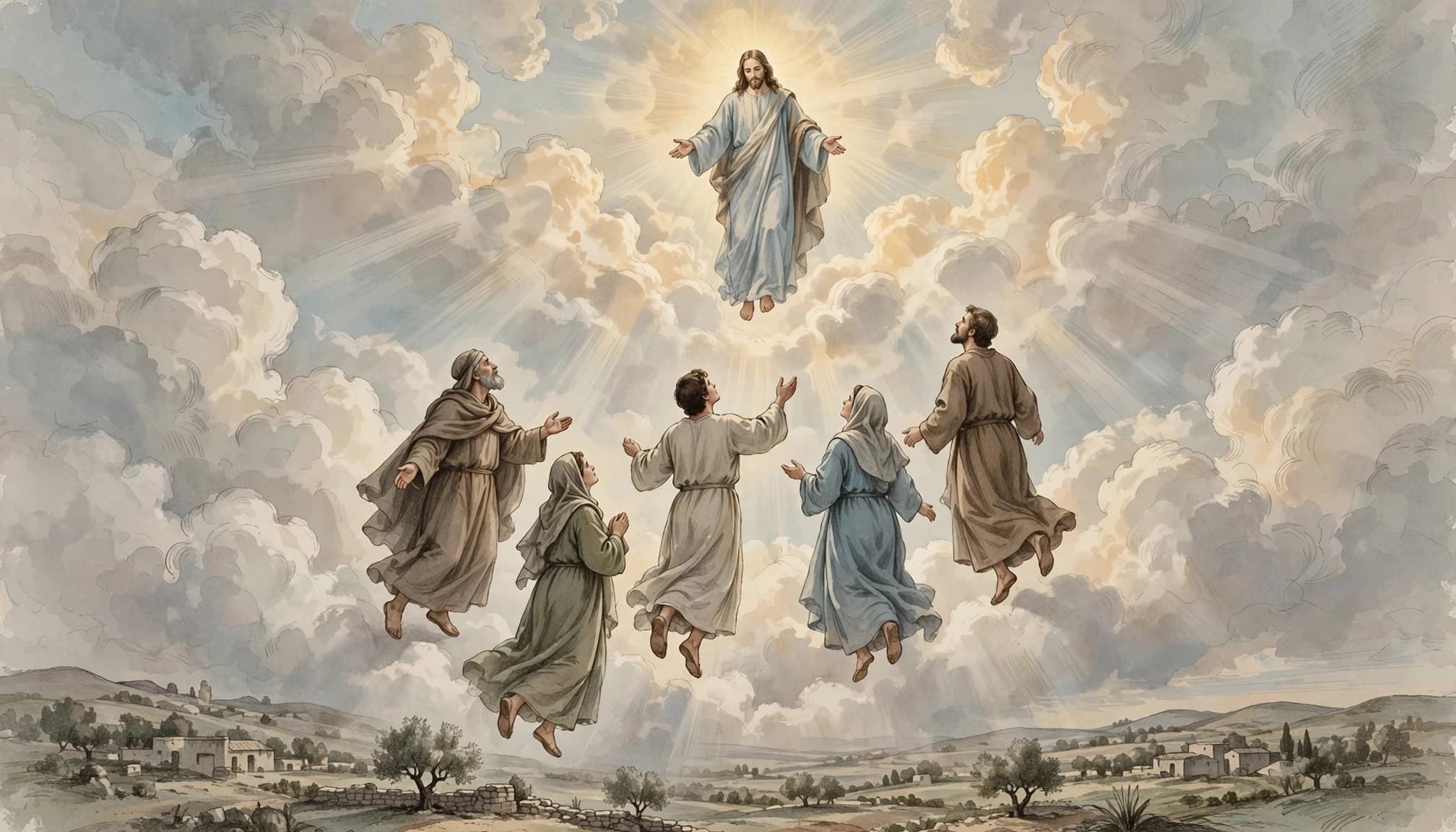
Why do we place the gathering before the Tribulation? We read Paul's promise alongside the prophetic passages that describe God's judgment and the persecution of those who remain faithful during that time. The distinction also helps us understand why Revelation describes believers who face the beast and later reign with Christ. They are faithful to Jesus, but Revelation doesn't directly call every believer saved during the Tribulation the Bride.
The Rapture passages don't say, in one sentence, "This happens before the Great Tribulation." We understand the timing by reading Scripture together. That sequence is our Biblical interpretation, and we hold it as the truth: Jesus gathers His Church before the Tribulation, then returns publicly after it.
Jesus returns to defeat evil and establish His reign
Jesus' later public return is different from the Church being caught up to meet Him in the air. In Matthew 24:29-31, Jesus says that after the tribulation, the Son of Man will appear with power and great glory, and His angels will gather His elect. In Revelation 19, John sees Jesus riding out as King, judging and making war in righteousness. The chapter describes His victory over the beast and the forces opposed to Him.
These passages give us real claims: Jesus comes in glory, defeats evil, and rules as King. We shouldn't confuse those statements with the order we use to connect the events. Matthew describes His appearing after the Tribulation; Revelation 19 shows His triumph; neither chapter lays out every interval between the Church's gathering and His return.
In our pretribulation understanding, the Church is gathered before the Tribulation, and Jesus later returns to earth in victory. He judges evil and establishes His Kingdom. Revelation 20 then describes people reigning with Him, including those who remained faithful under the beast. We can hold that prophetic order while being careful about what each passage says directly. Revelation 19 celebrates the Lamb's victory and His Bride's readiness, but it doesn't provide a complete timetable for the Rapture and the marriage supper.
Tribulation believers, persecution, and the martyrs’ hope
In our pretribulation understanding, Jesus gathers His Church before the Great Tribulation. People will still turn to Him during that time, and many will face the beast's persecution because they refuse to abandon their faith. Revelation gives us a sobering picture of their suffering, but it also gives us hope: Jesus sees His faithful witnesses, and death does not end their life with Him.
The beast’s persecution and the witness of the saints
John says the beast is permitted to make war against the saints and overcome them. The passage calls for the endurance and faith of God's people, even as the beast demands their allegiance (Revelation 13:7-10). The warning is serious. Faithful believers during this period will face real persecution, and some will be killed.
But the beast does not have the final word. John also records a blessing for those who die in the Lord. The Spirit says they will rest from their labor, and their deeds follow them (Revelation 14:12-13). Their faithfulness matters to Jesus. He knows their witness, and He promises rest beyond their suffering.
These passages describe saints who endure persecution and believers who die in the Lord. They do not identify these believers as the Bride. We should keep that distinction clear as we read Revelation.
White robes, the great multitude, and the martyrs before God
John sees the souls of those slain for God's Word and their testimony. They ask how long it will be until God judges and avenges their blood. Each receives a white robe, and they are told to rest until the number of their fellow servants who would be killed is complete (Revelation 6:9-11). God has not forgotten them. Their cry for justice reaches Him.
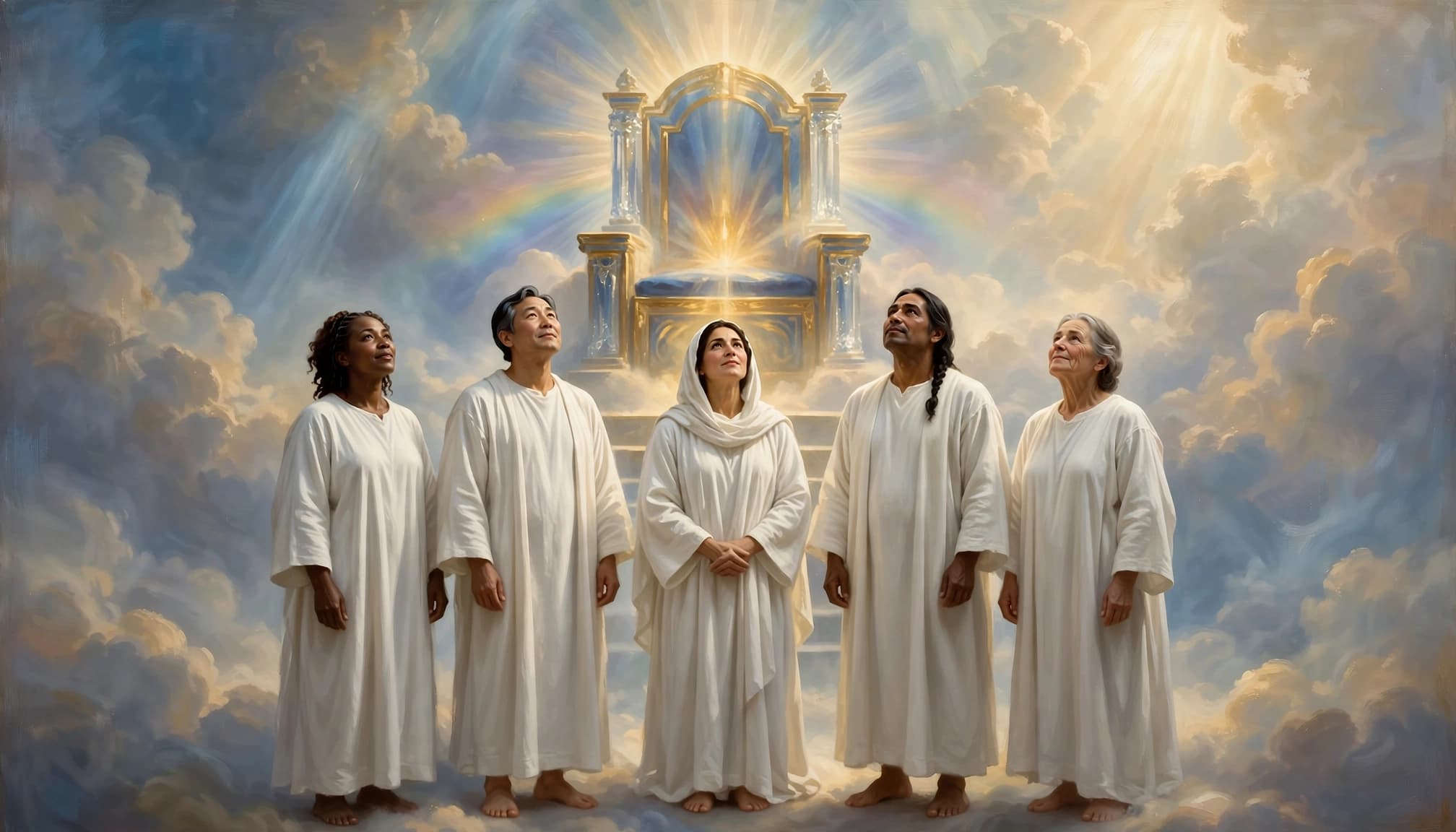
In Revelation 7, John sees a great multitude from every nation before God's throne and the Lamb. They wear white robes, and an elder identifies them as those coming out of the Great Tribulation. They have washed their robes and made them white in the Lamb's blood (Revelation 7:9-14). The text does not say every person in this multitude was martyred. It does show a redeemed people standing before God, safe in His presence.
We can read more about the Great Tribulation multitude in Revelation 7. The passage describes their salvation and their place before God, but it does not call them the Bride.
How the martyrs share in Christ’s future reign
Revelation 20:4-6 returns to those who refused to worship the beast or receive its mark. John sees people killed for their testimony to Jesus and God's Word. They come to life and reign with Christ for a thousand years (Revelation 20:4-6). They are blessed and holy, serve as priests of God and Christ, and are beyond the power of the second death.
In our pretribulation understanding, the Church is gathered to Jesus before the Tribulation, while believers who come to faith during that time endure the beast's persecution. Those killed for their testimony will share in Christ's reign. This framework connects the passages, but Revelation does not explicitly label every group in these visions as the Bride. What it says plainly is enough: Jesus receives His faithful witnesses, and they will live and reign with Him.
Who belongs to the Bride of Christ after the rapture?
In our pretribulation understanding, the Church is gathered to Jesus before the Great Tribulation. People who turn to Him afterward can still be saved and belong among the redeemed. But does Revelation explicitly call all of them the Bride? No. We need to keep the hope of salvation clear while letting the passages say what they actually say.
The text names saints and witnesses, but does not settle every Bride question
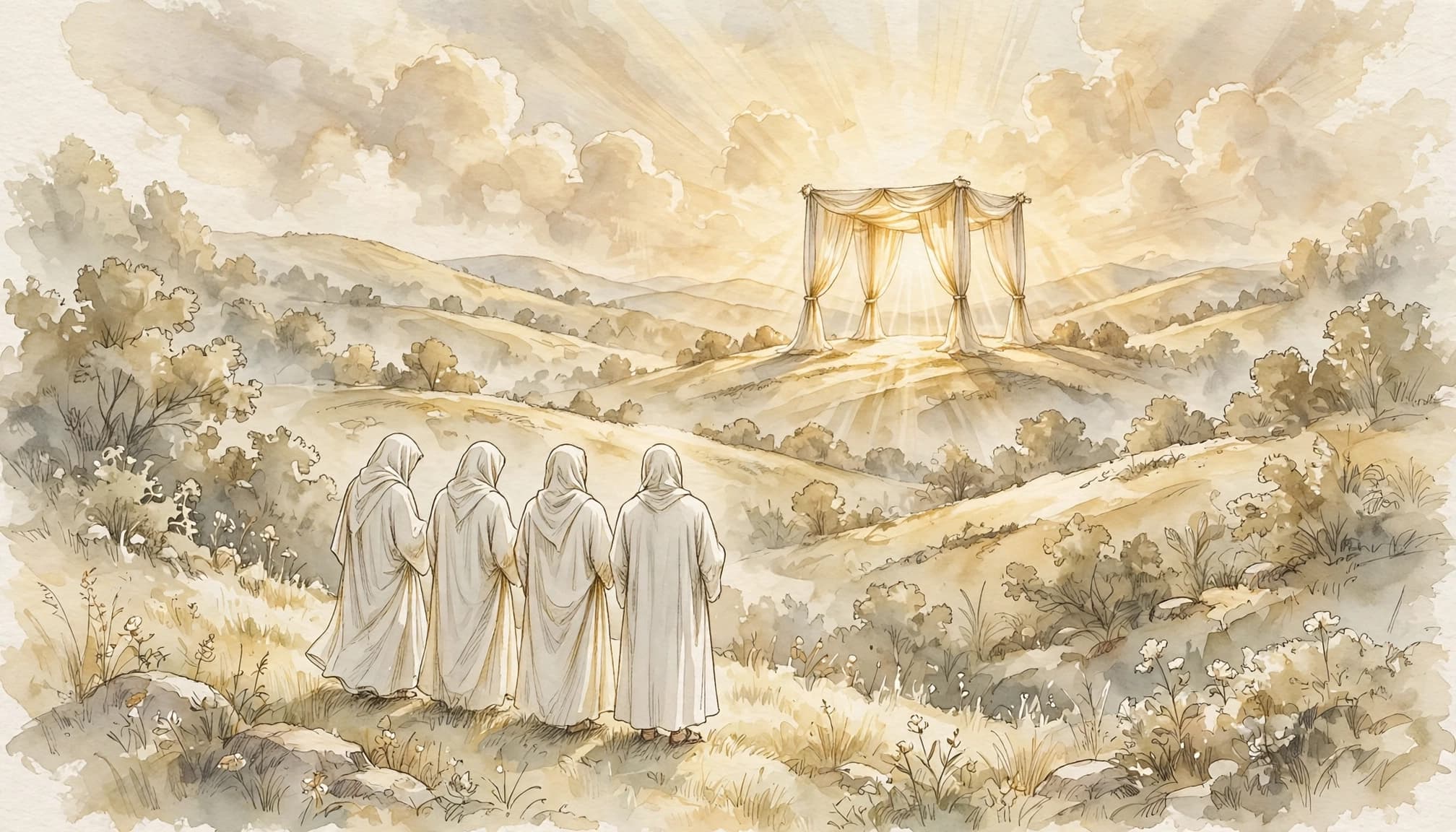
In Revelation 19, John names the Bride in the marriage vision. She has made herself ready, and she is given fine linen, which John explains as the righteous deeds of the saints. The passage also calls those invited to the Lamb's marriage supper blessed. It does not identify every person who is saved during the Tribulation as part of the Bride.
Now compare that vision with Revelation 7:9-14. John sees a great multitude from every nation before the throne and the Lamb. They wear white robes, and the elder says they have come out of the Great Tribulation and washed their robes in the Lamb's blood. These are redeemed people, but the passage does not call them the Bride.
John also sees martyrs and others who refused to worship the beast or receive its mark. They come to life and reign with Christ for a thousand years (Revelation 20:4-6). They are faithful saints who belong to Jesus. Yet this passage does not call every one of them the Bride either.
So we should be precise. Revelation names the Bride in the marriage vision, and elsewhere it names saints, the great multitude, and martyrs. The text does not say whether each group is distinct from the Bride or included in her. Our belief that the Bride is the Church gathered to Jesus before the Tribulation, while later believers are also redeemed, is our pretribulation reading of these passages together. Revelation does not state that connection in those exact words. For more on Jesus as the Lamb and returning King, we can consider the wider picture Revelation gives of Him.
A pastoral warning to respond to Jesus now
The possibility of salvation after the Rapture is never a reason to wait. In our understanding, people who come to Jesus during the Tribulation must repent and put their faith in Him. Missing the Rapture does not automatically save anyone, and Scripture describes a time of severe deception and persecution. The beast makes war against the saints, and believers will be pressured to deny Jesus.
We cannot know exactly how any person will respond under that pressure. It would be dangerous to assume that you will find it easy to believe later, or that you can put off repentance now and decide after the Rapture. Jesus calls us to trust Him today. We are grateful that He can save people even in that terrible time, but our hope is to belong to Him now and remain faithful to Him.
Conclusion
Revelation tells us exactly what the Bride's fine linen represents: the righteous deeds of the saints. The linen is given to her, but Scripture speaks of authority to reign with Christ separately. In Revelation 20, faithful believers, including those killed for their testimony, reign with Him during His thousand-year Kingdom.
In our pretribulation understanding, Jesus gathers His Church before the Great Tribulation, and later believers who remain faithful through the Antichrist's persecution share in His reign. We believe they belong to the redeemed, but Revelation does not explicitly call every believer saved after the Rapture or every martyr the Bride. We can hold our prophetic convictions while keeping that distinction clear. May we remain faithful to Jesus and look with hope toward His return.
